EV chargers are earthing-critical: a person touches the vehicle and the charger while high current flows, so the earth must be low-resistance and the protection must trip fast. Because chargers can produce DC fault current, they need DC-capable residual-current protection, plus surge protection to save the power electronics - all referenced to a dedicated earth.
What a charging station needs
- A dedicated low-resistance earth electrode at the charger.
- DC-capable residual-current protection (Type B RCD) or equivalent.
- Surge protection on the AC supply and the DC side of fast chargers.
- Equipotential bonding of the charger, structure and any canopy.
Why the earth is critical
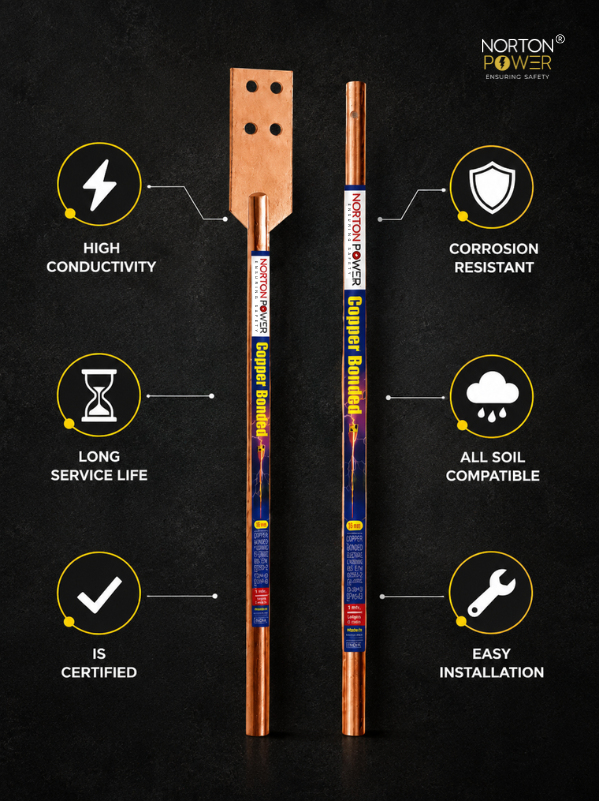
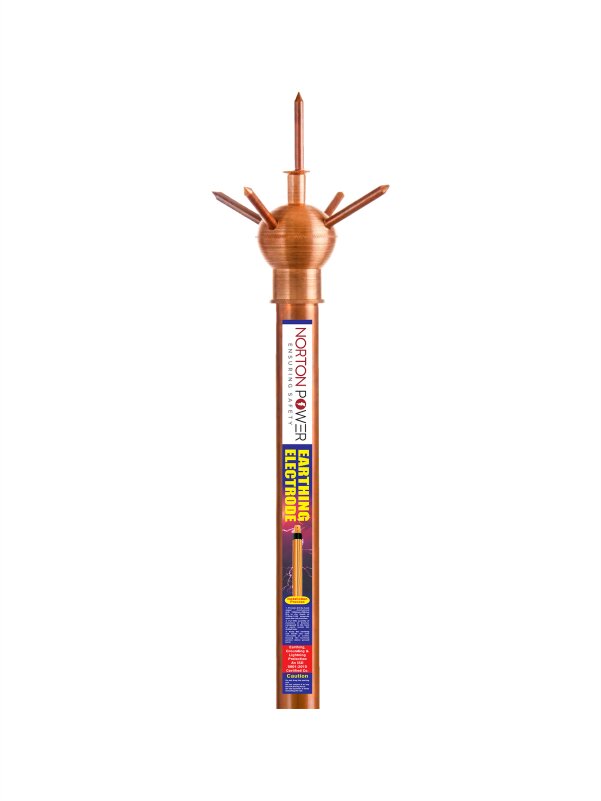
The RCD and surge device only work against a solid earth. A high-resistance earth delays the trip and leaves touch voltage on the vehicle. Use copper bonded rods with compound to hit a low resistance; see the full EV charging station earthing guide for the layout.