An earthing system gives fault current and lightning current a safe, low-resistance path into the ground, so that people are protected from shock and equipment from damage. It has three parts: the electrode in the soil, the conductor that carries current to it, and the bonding that ties all metalwork to the same earth.
The parts of an earthing system
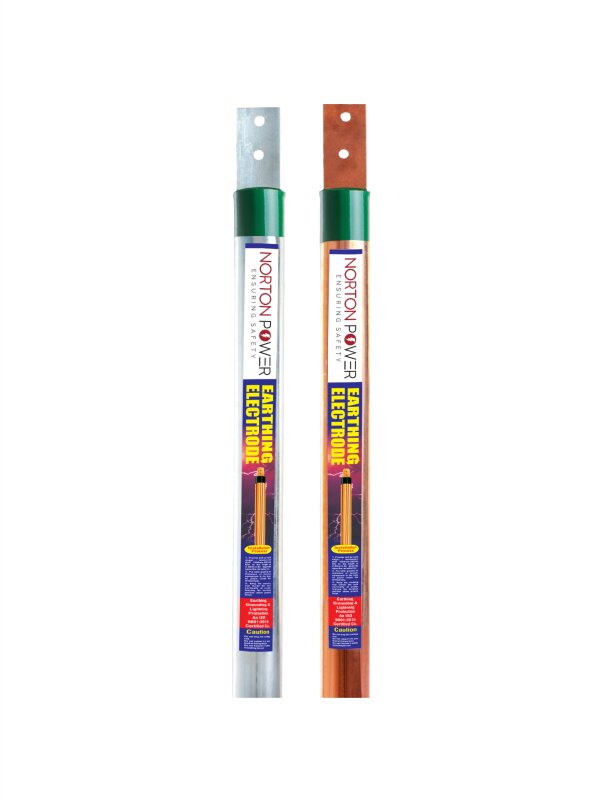
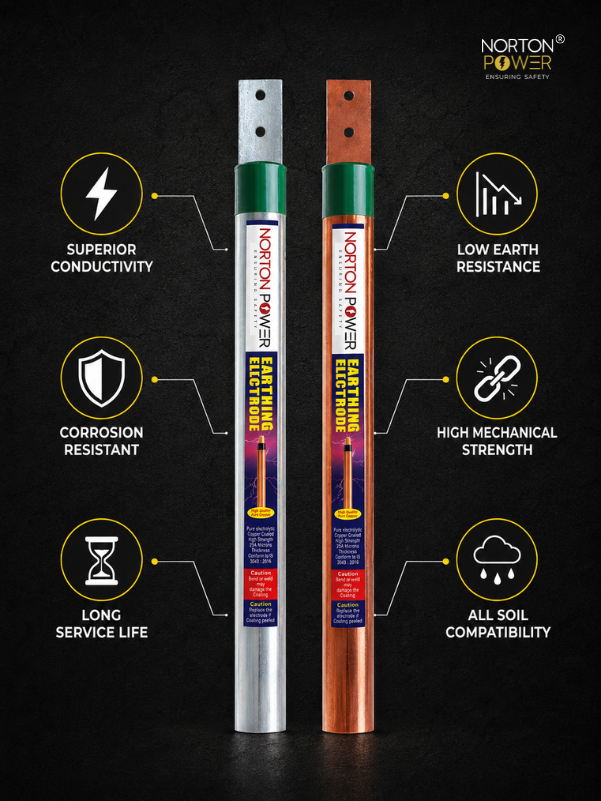
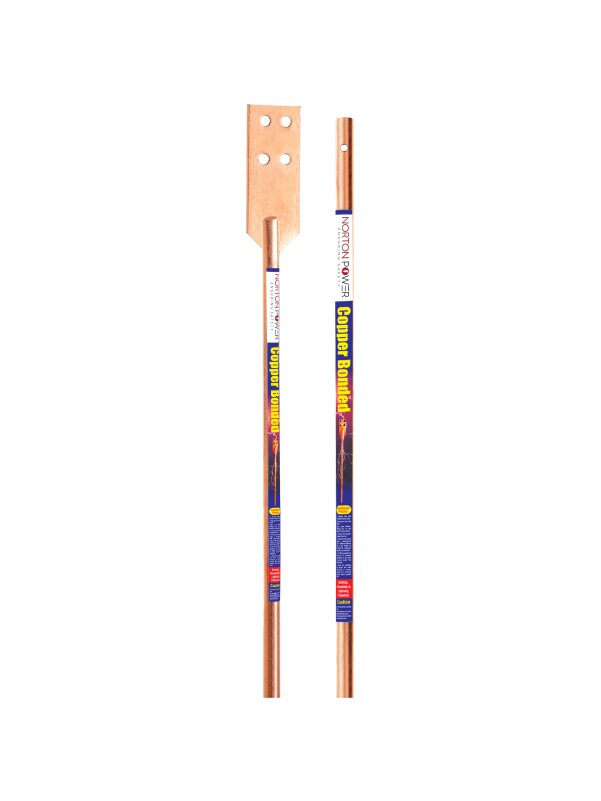
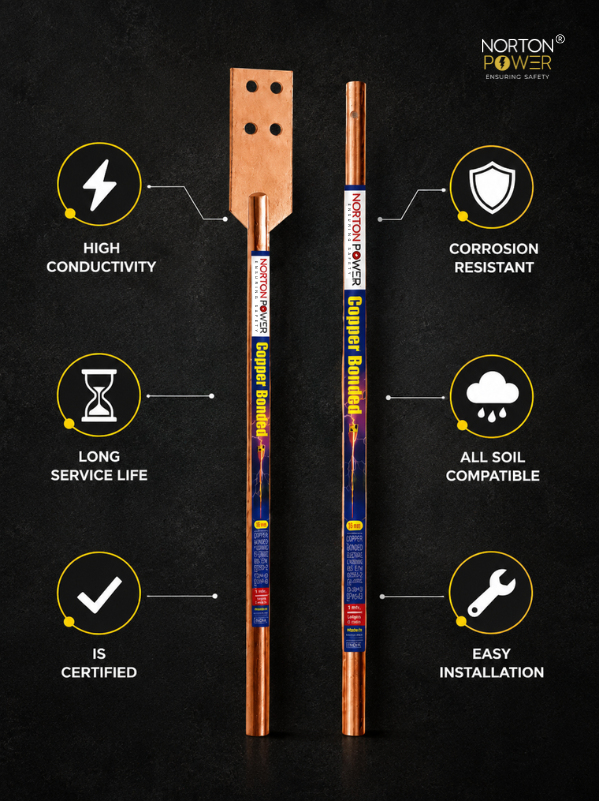
- Earth electrode - rod, pipe, plate, strip or conductive-concrete, in the soil.
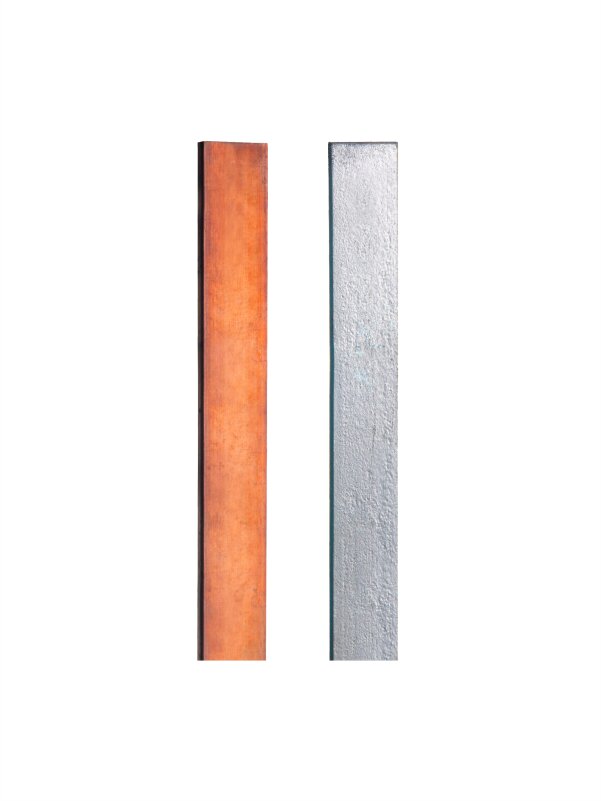
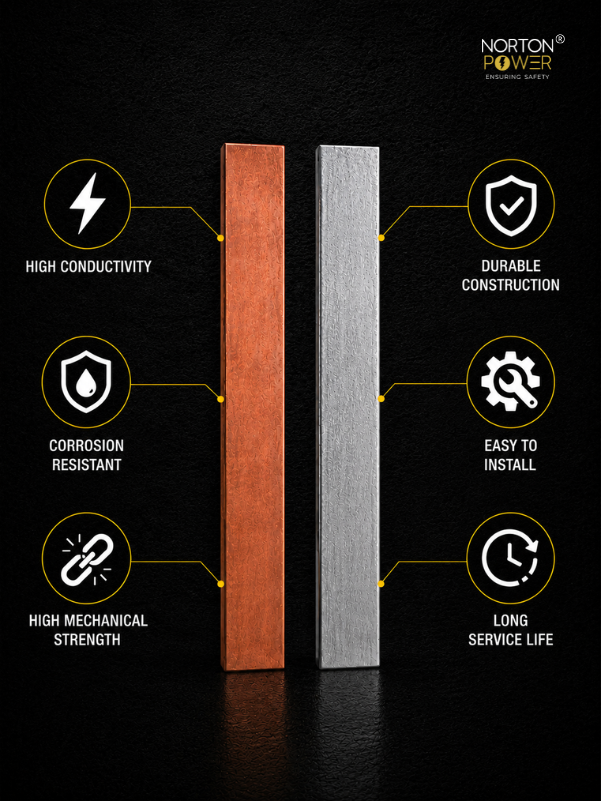
- Earth conductor - strip or cable from the installation to the electrode.
- Bonding - every exposed metal part tied to the earth terminal.
- Earth pit and cover - accessible for the periodic resistance test.
Getting it right
Choose the electrode for the soil, size the conductor for the fault current to IS 3043, aim for a low earth resistance, and test it at commissioning. The deeper topics - electrode types, strip sizing, standards and testing - each have their own guide.