TERRONITE™ Conductive Concrete Earthing Electrode
Maintenance-free grounding for rocky, sandy and high-resistivity soil.
TERRONITE™ is Norton Power's high-performance conductive concrete earthing electrode for difficult ground. A 250-micron Copper Bonded Rod sits inside an engineered, low-resistivity conductive concrete body that widens the soil-contact area and delivers stable, maintenance-free earthing in rocky, sandy, dry and high-resistivity soil.
Features
- 250-micron Copper Bonded Rod core — internal current-carrying electrode for dependable conductivity and corrosion resistance.
- Engineered conductive concrete body — increases the effective surface area and improves contact with the surrounding soil.
- Low-resistivity conductive medium — resistivity less than 0.096 ohm-m.
- High corrosion resistance — non-corrosive, non-leaching design protects the internal electrode.
- Maintenance-free — no periodic re-treatment or regular watering required.
- Stable performance — reduces seasonal variation in earth resistance.
- Difficult-soil ready — suitable for rocky, sandy, dry and high-resistivity conditions.
Why choose Norton Power
- Stable low earth resistance where conventional driven rods struggle.
- Larger current-dissipation area — a wider interface between the electrode and the soil.
- Lower maintenance — no recurring re-treatment like salt-and-charcoal pits.
- Long service life — designed for 40+ years, depending on soil conditions.
- Environmentally friendly — non-leaching conductive medium.
TERRONITE™ vs traditional earthing
| Criteria | Traditional Earthing | TERRONITE™ |
|---|---|---|
| Lifespan | 5–10 years | Built once — performs for 50+ years |
| Maintenance | Frequent watering & checks | Zero maintenance |
| Performance | Degrades over time | Stable & consistent (0.03 Ω) |
| Long-term cost | High (due to replacements) | Low (one-time investment) |
| Reliability | Affected by soil & weather | Works in all soil conditions, weather-proof |
Specifications
| Product Type | Conductive Concrete Earthing Electrode |
| Internal Electrode | 250-micron Copper Bonded Rod |
| Conductive Medium | Engineered Conductive Concrete |
| Conductive Medium Resistivity | < 0.096 ohm-m |
| Soil Suitability | Any soil; especially rocky, sandy, dry and high-resistivity |
| Anti-Corrosive | Yes |
| Maintenance Required | Nil |
| Environmental Profile | Non-leaching and environmentally friendly |
| Service Life | More than 40 years (depends on soil conditions) |
Standards compliance
Applications
Models & variants
- 10 kg bag — Top-up / small electrode pit
- 25 kg bag — Standard electrode pit
- 40 kg bag — Deep / high-fault-current pit
Frequently asked questions
What is TERRONITE™?
How is TERRONITE™ different from a Copper Bonded Rod?
Does TERRONITE™ need maintenance or re-treatment?
Which soil conditions is TERRONITE™ best suited for?
What is inside TERRONITE™?
Customer reviews
Write a review →No reviews yet for TERRONITE™ Conductive Concrete Earthing Electrode. Bought this product? Be the first to review it →
Ready to specify TERRONITE™ Conductive Concrete Earthing Electrode?
Share your project requirements and we'll send a quote within 4 working hours.
Request a quoteRelated products
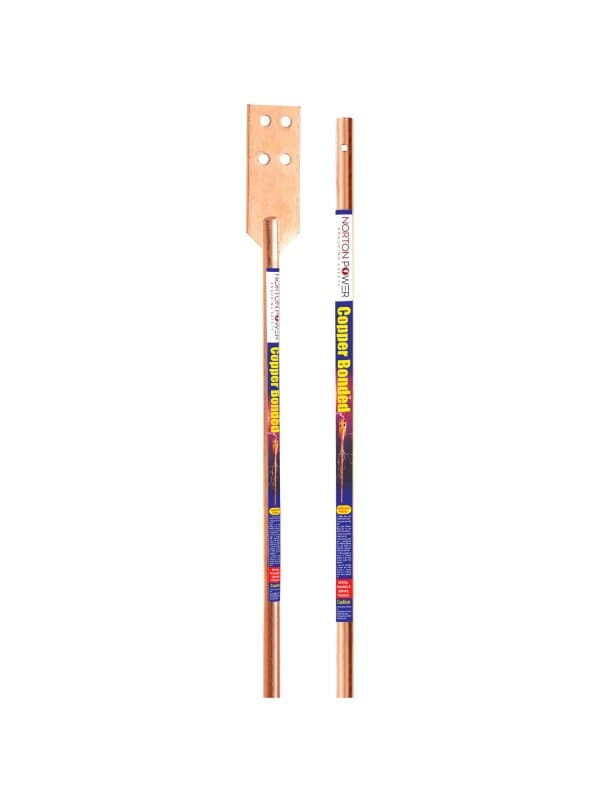
Copper Bonded Rods
Premium copper-coated steel earthing rods, UL 467 compliant for long, corrosion-resistant service
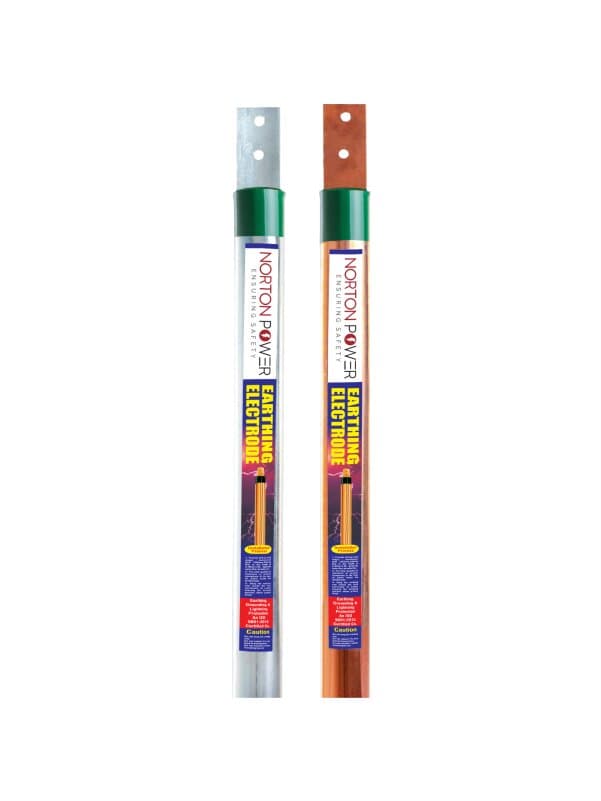
Earthing Electrodes
Pipe-style earthing electrodes for heavy machinery and infrastructure grounding
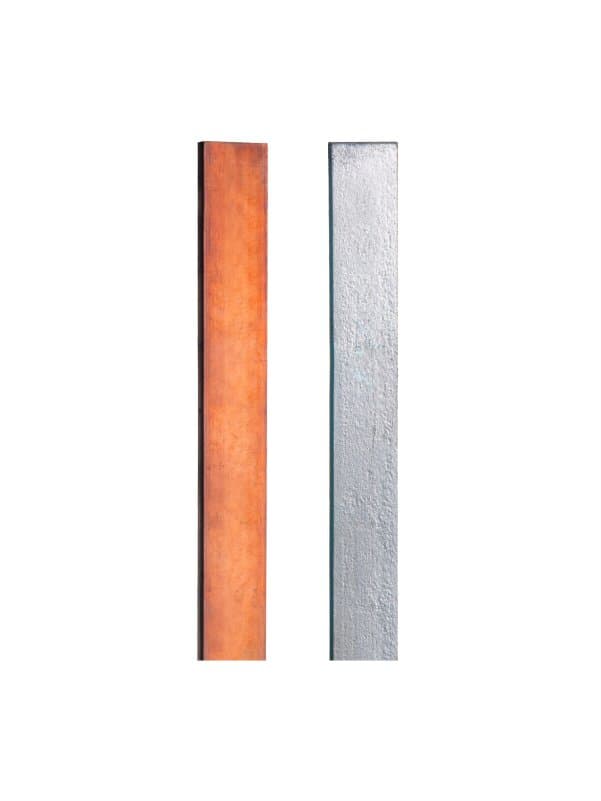
Earthing Strips
Copper and galvanized iron earthing strips for grid systems and equipment bonding