A grid-tied solar system has a DC side (modules, strings, combiner, inverter input) and an AC side (inverter output, transformer, switchgear, grid). Each side is earthed separately for safety and to keep DC faults and AC faults from interfering, then both earths are bonded into one grid so everything shares a common potential.
DC earthing
Covers the module frames, mounting structures and inverter DC side. It carries away fault and induced current from the array and provides a reference for DC insulation monitoring.
AC earthing
Covers the inverter AC output, transformer and distribution. It is the path for AC earth faults and the point that coordinates with the utility earth.
Why they bond together
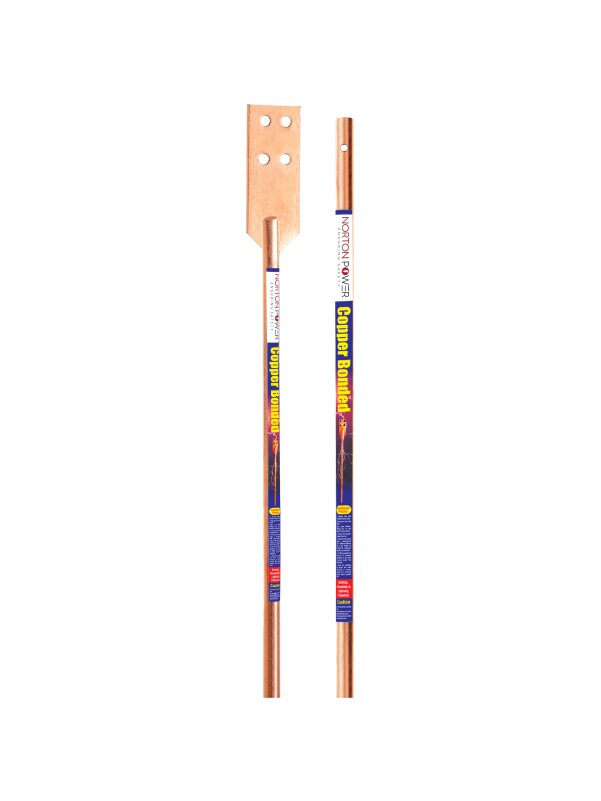
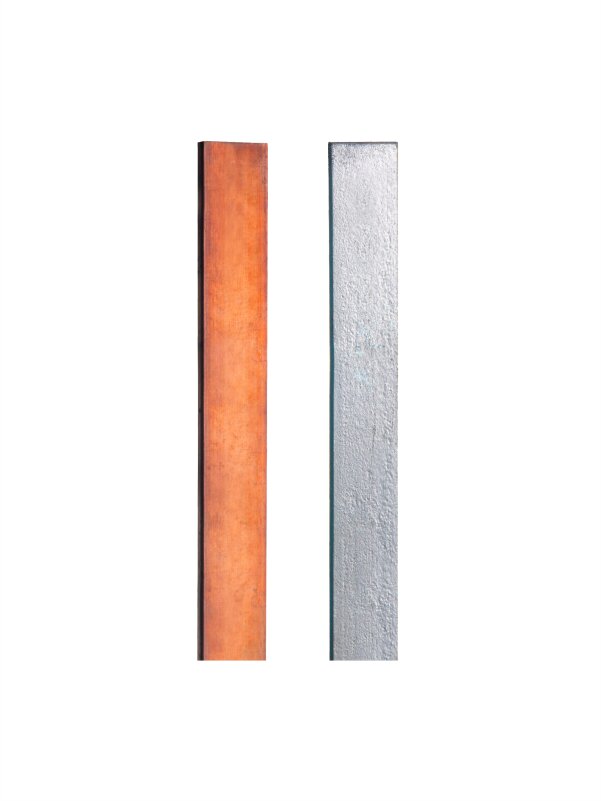
Separate pits keep sensitive and power earths clean, but they must be bonded into one grid - otherwise a potential difference could appear between the DC and AC metalwork during a fault. The bond is made at the main earth bar with copper or GI strip.