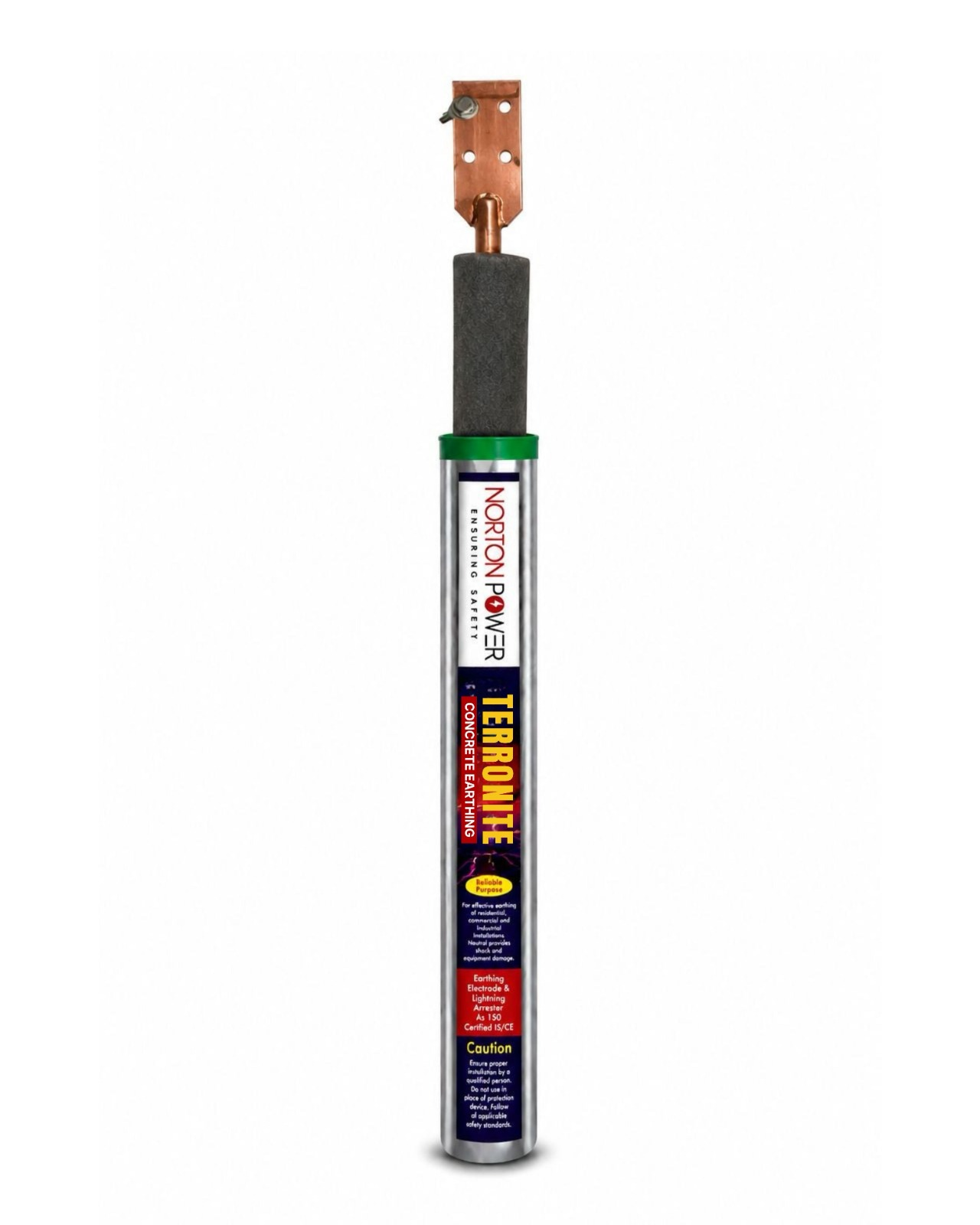
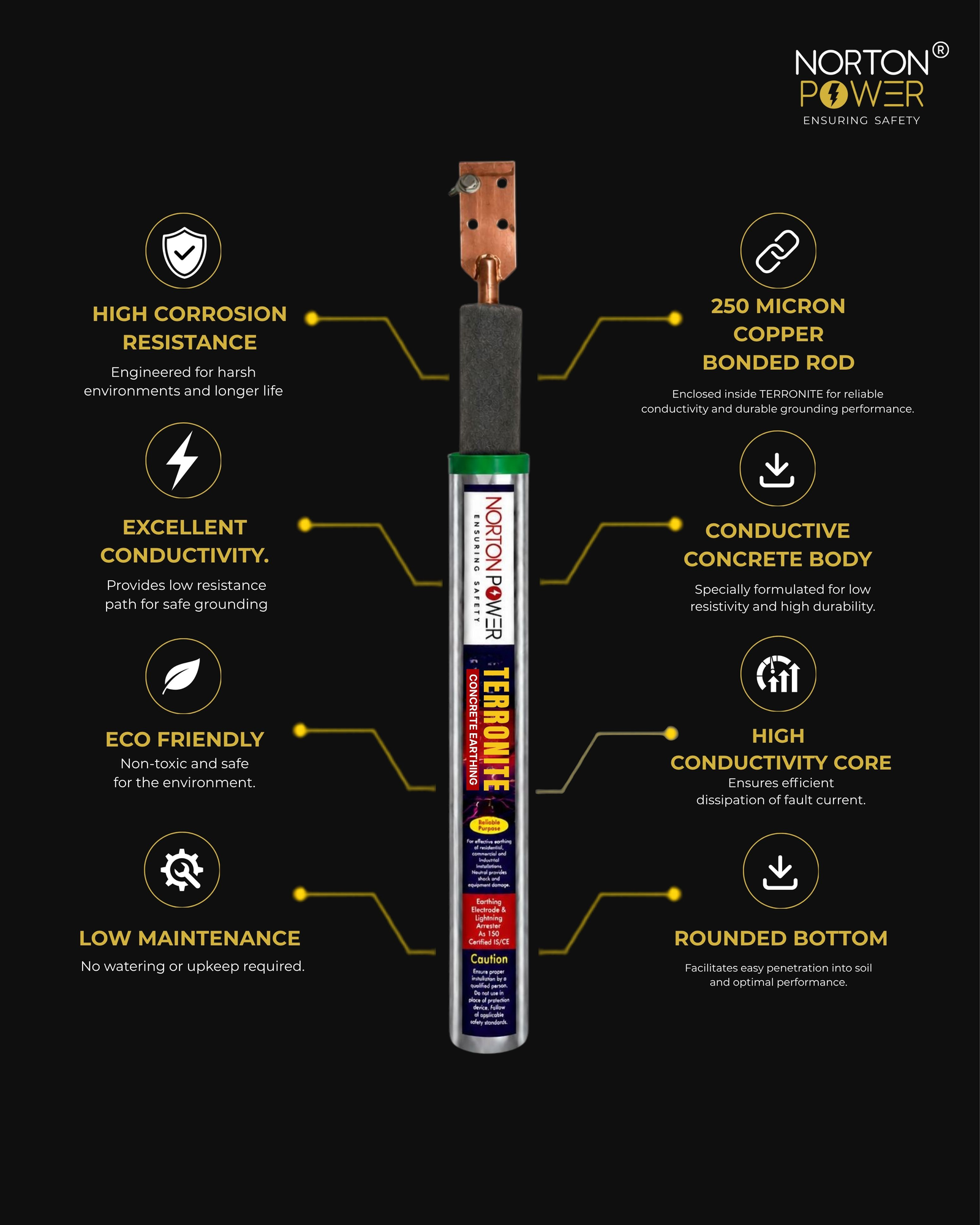
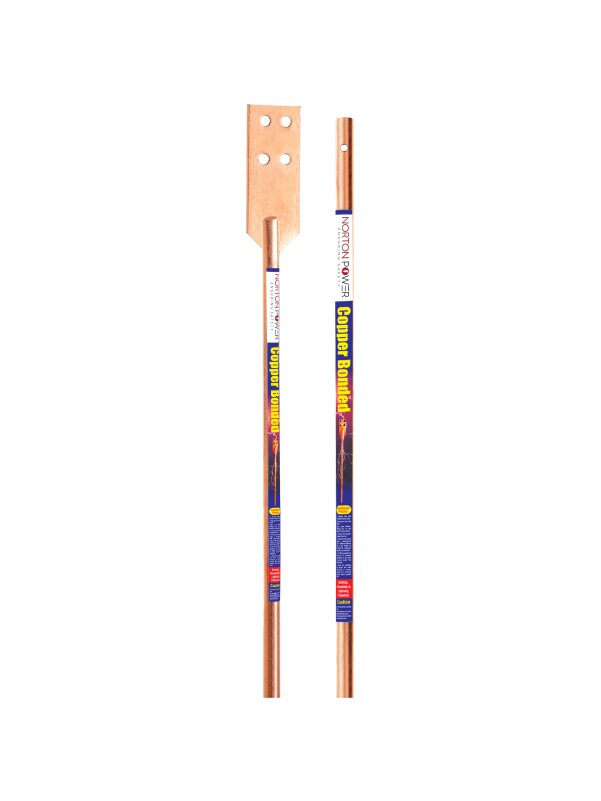
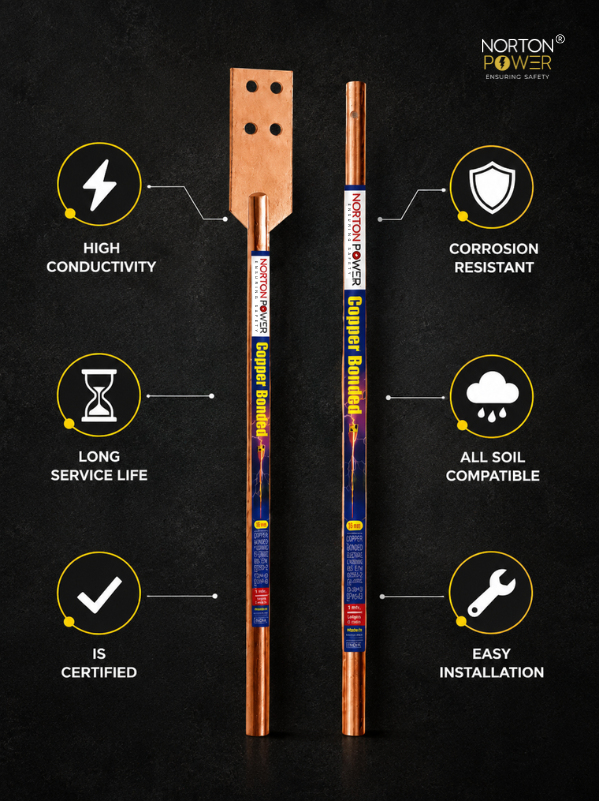
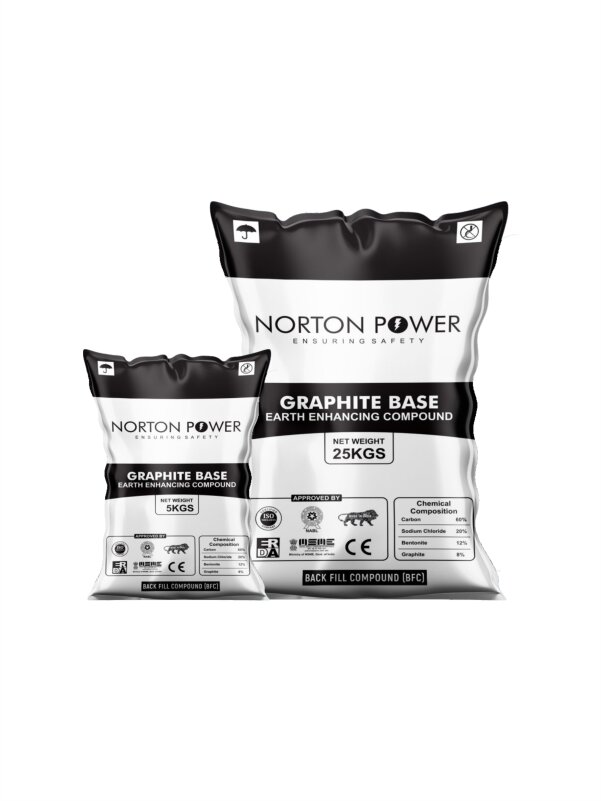
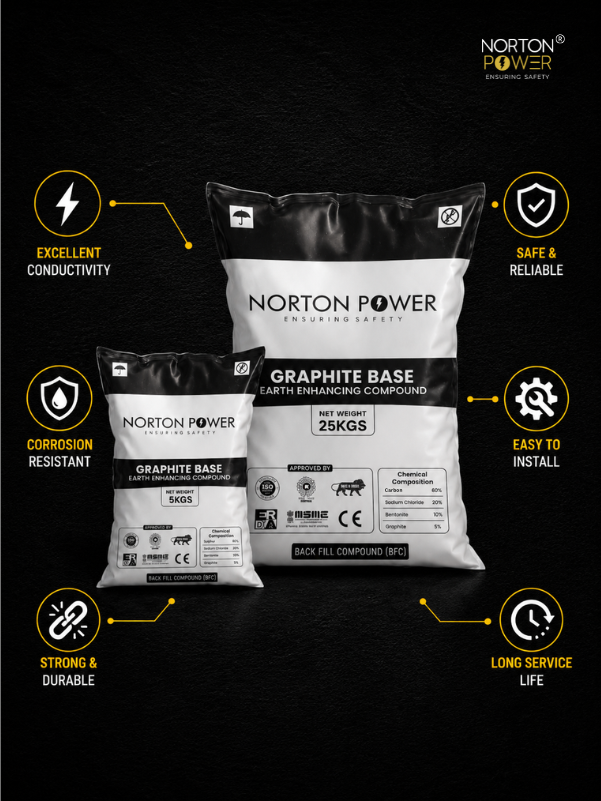
Conventional earthing uses a rod, pipe or plate in a pit, often with salt and charcoal, and needs periodic re-treatment. Chemical earthing uses a factory electrode with a conductive, moisture-retaining backfill around a copper bonded core, giving a lower and more stable resistance with no maintenance. Chemical earthing wins on poor soil and critical loads; conventional is cheaper where soil is good.
How they compare
| Factor | Chemical vs conventional |
|---|---|
| Resistance | Chemical lower and more stable |
| Maintenance | Chemical none; conventional needs re-treatment |
| Life | Chemical 40+ years with a bonded core |
| Difficult soil | Chemical far better in rocky or dry soil |
| Upfront cost | Conventional cheaper; chemical costs more |
Which to choose
Use chemical earthing for critical loads, poor soil and where maintenance access is hard; use conventional earthing where soil is good and budget is tight. See how to compare chemical earthing electrodes for the spec checklist.