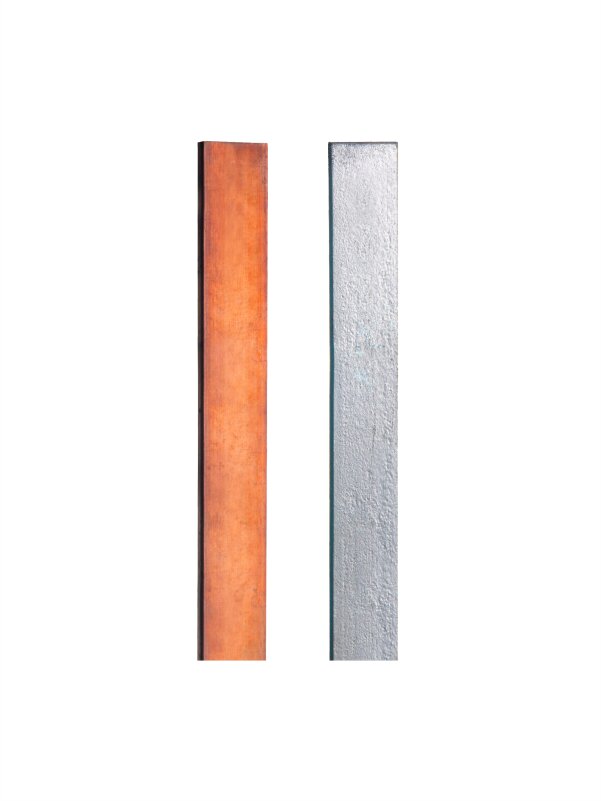
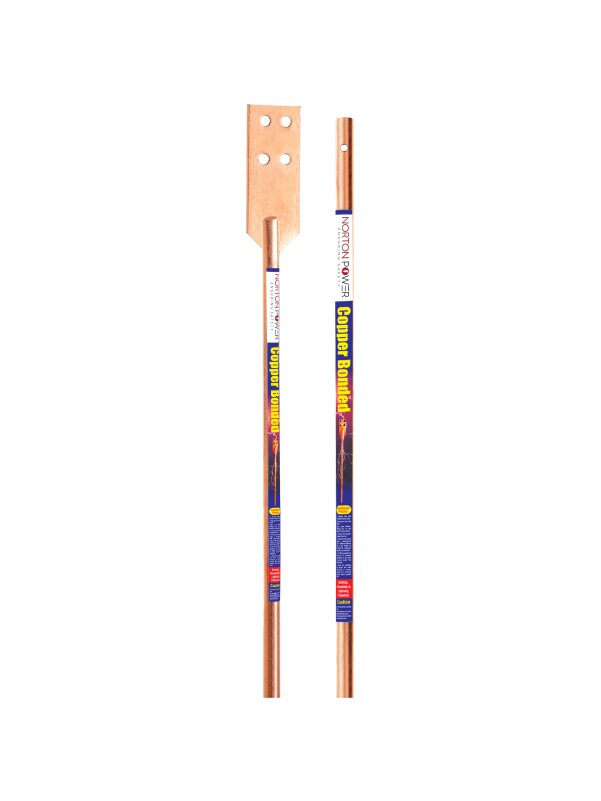
An earthing grid (earth mat) is a mesh of buried conductors tying together rods across a site, used at substations, power plants and large installations. It spreads fault current over a wide area so that no dangerous step or touch voltage appears at the surface, and gives a very low overall earth resistance.
Why a grid, not a single electrode
- Spreads a large fault current so surface potentials stay safe.
- Many parallel rods and conductors give a very low resistance.
- Bonds all equipment to one reference, avoiding potential differences.
- Covers the whole switchyard, not just one point.
Design basics (IEEE 80)
IEEE 80 sizes the grid conductor to the fault current, sets the mesh spacing to keep step and touch voltages within safe limits, and adds rods at the perimeter and corners. Soil resistivity drives the conductor length and rod count; compound or deeper rods help in poor soil.