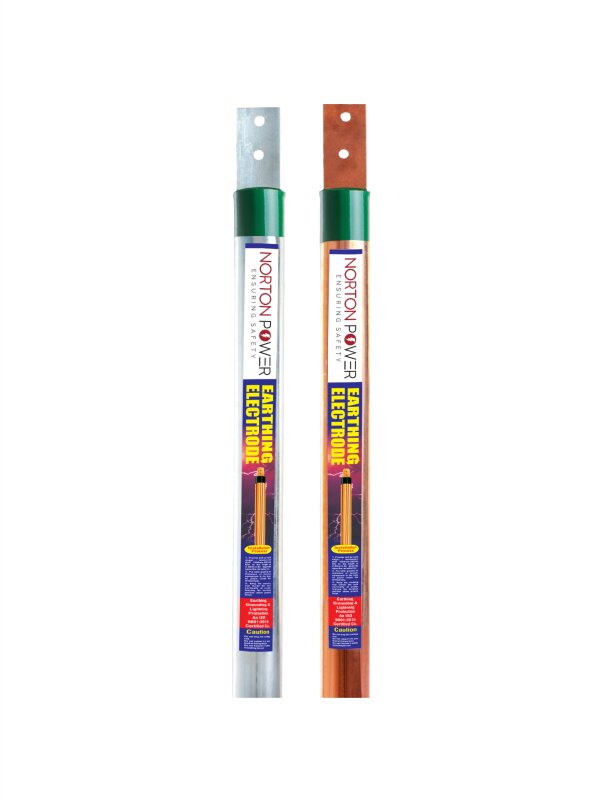
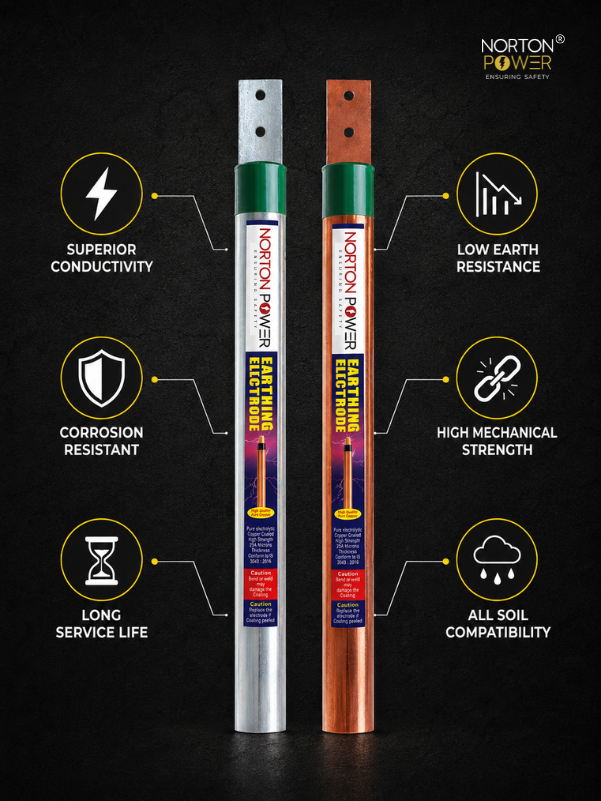
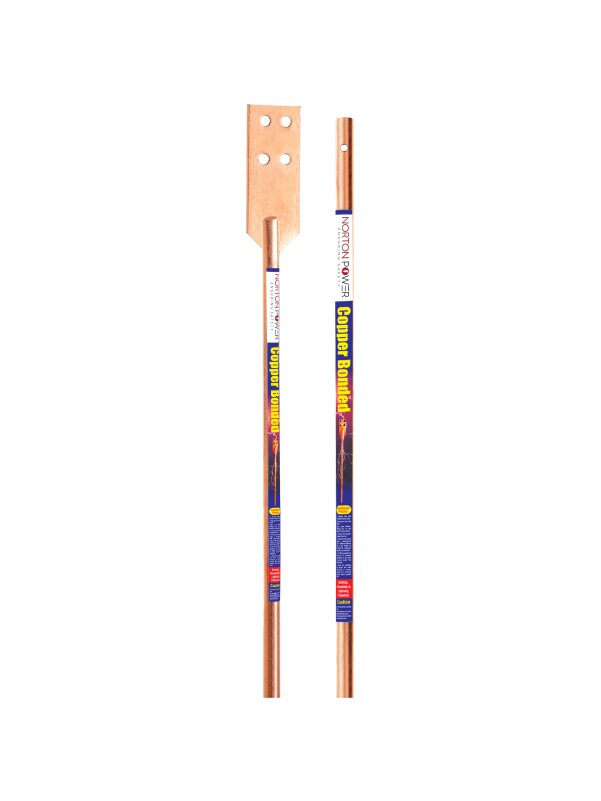
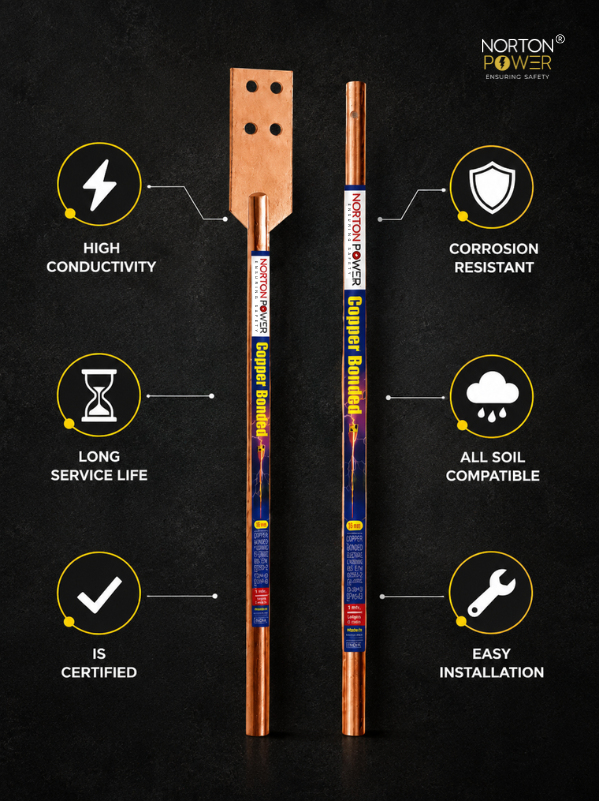
IS 3043 recognises four practical earth electrode types: rod, pipe, plate and strip. They all do the same job - give fault current a low-resistance path into the soil - but they suit different soils, depths and fault levels.
1. Rod electrode
A driven vertical rod (usually copper bonded steel) that reaches moist, stable soil at depth. It is the quickest to install, easy to extend by coupling, and the default for most sites. See the rod types and rod size guides.
2. Pipe electrode
A GI or copper pipe set in a pit, often with charcoal and salt or an earth-enhancing compound around it. The larger surface and the backfill give a low resistance; the double-pipe version serves heavy machinery.
3. Plate electrode
A copper or GI plate buried vertically in a pit. Its large area suits high fault currents and rocky or shallow ground where a rod cannot be driven deep.
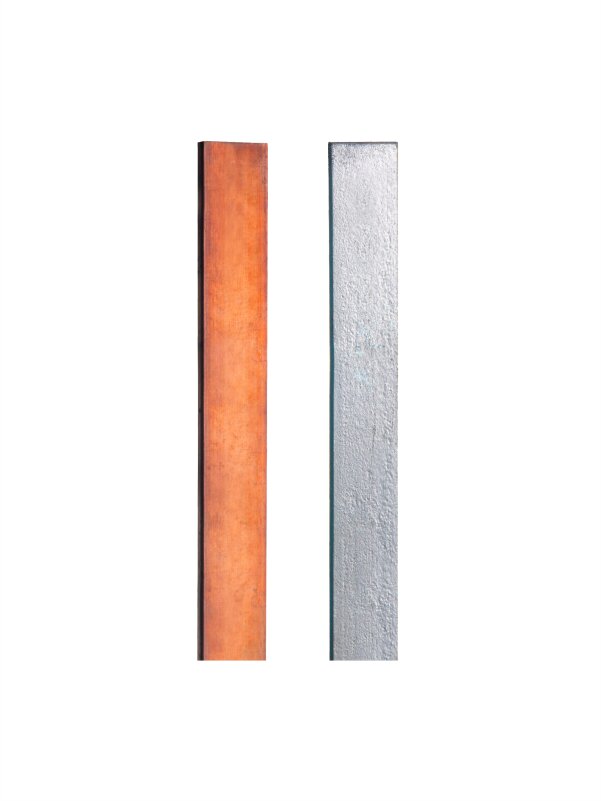
4. Strip or conductor electrode
A horizontal strip or conductor buried in a trench, used where soil is shallow over rock, and to form earth grids and ring earths that tie rods and plates together.
Which to use
| Electrode type | Best for |
|---|---|
| Rod (and pipe) | Most sites; deep moist soil; quick install |
| Pipe | Heavy machinery; low-resistance pits with backfill |
| Plate | High fault current; rocky or shallow ground |
| Strip | Shallow soil over rock; earth grids and ring earths |