Plate and pipe earthing are two pit-type electrodes. A plate electrode is a copper or GI plate buried vertically with its large area giving a low resistance; a pipe electrode is a GI or copper pipe set in a pit, easier to drive deeper to reach moist soil. Plate suits high fault current and rocky ground; pipe suits deeper moist soil and is cheaper to install.
How they compare
| Factor | Plate vs pipe |
|---|---|
| Contact area | Plate larger for the same pit |
| Reaching moist soil | Pipe easier to take deeper |
| High fault current / rocky soil | Plate preferred |
| Cost and handling | Pipe cheaper and lighter |
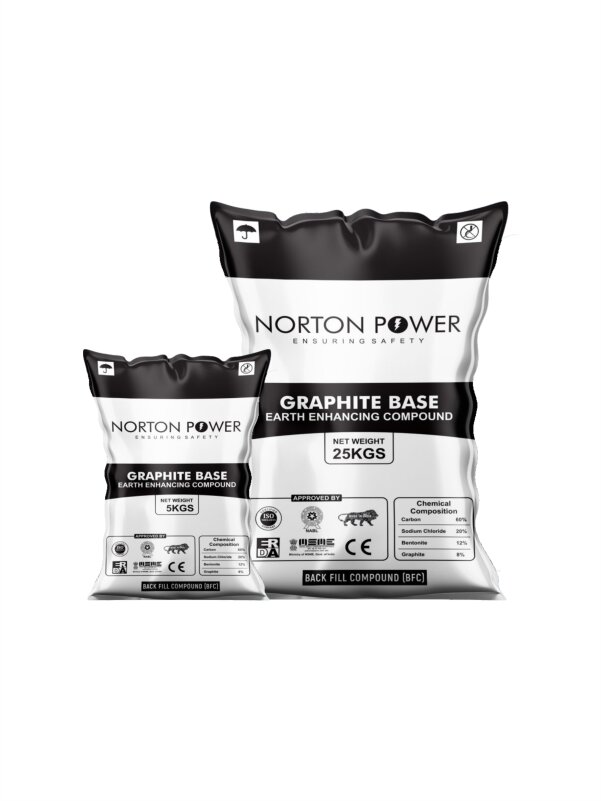
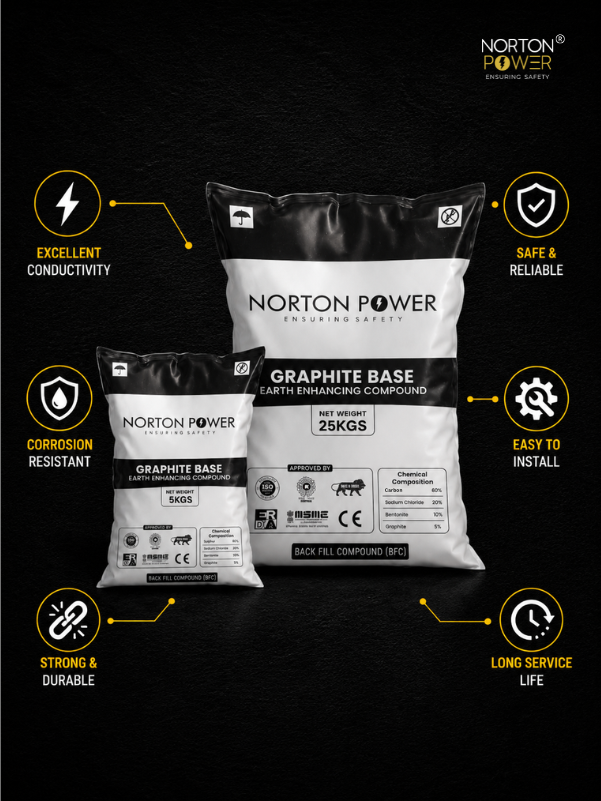
| Maintenance | Both use backfill compound to hold resistance |
Which to choose
Use a plate where fault current is high or the ground is rocky and shallow; use a pipe where you can reach moist soil at depth and want lower cost. In very poor soil a conductive-concrete electrode outperforms both - see the four electrode types guide.