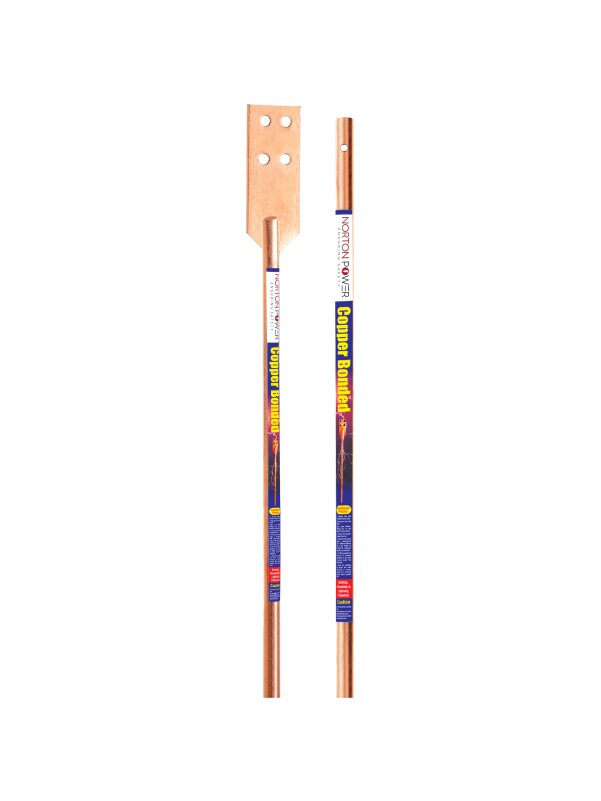
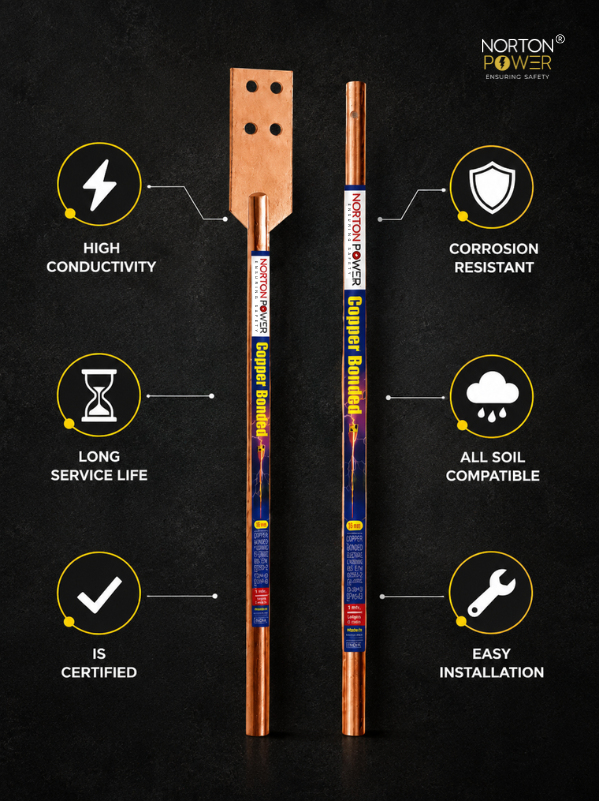
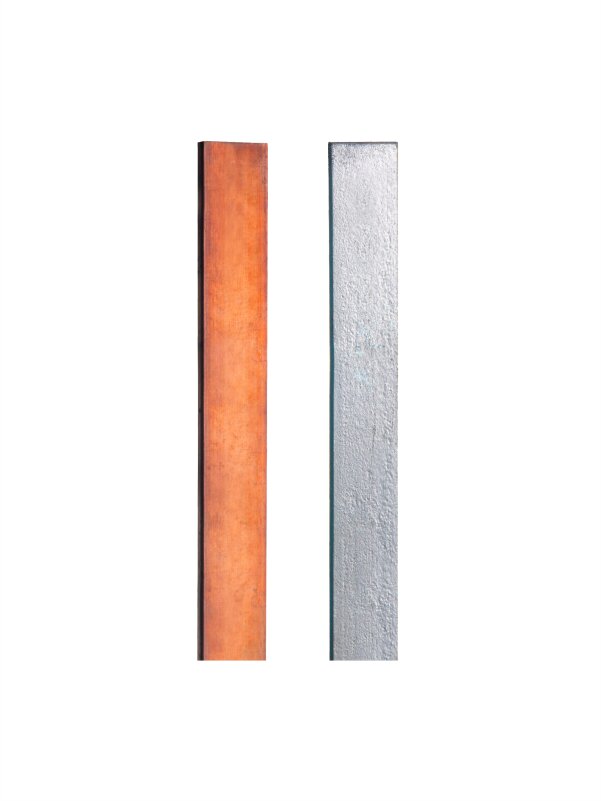
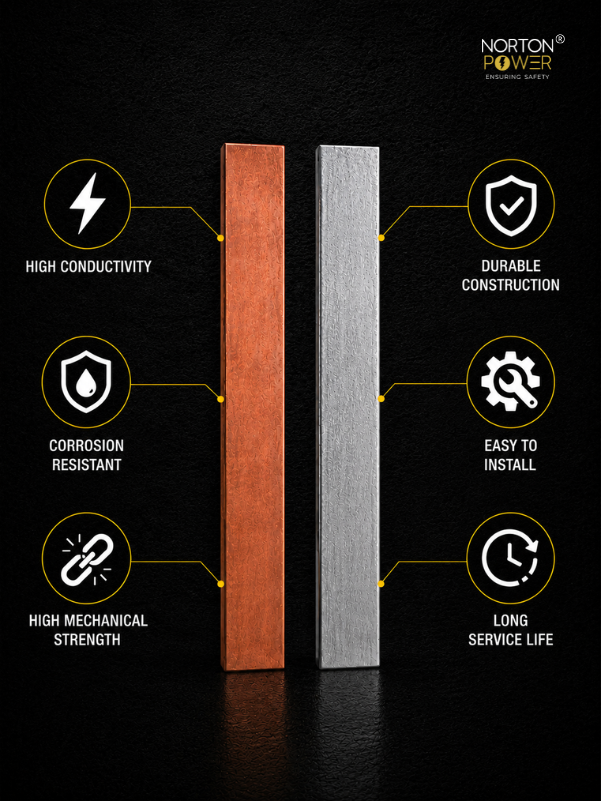
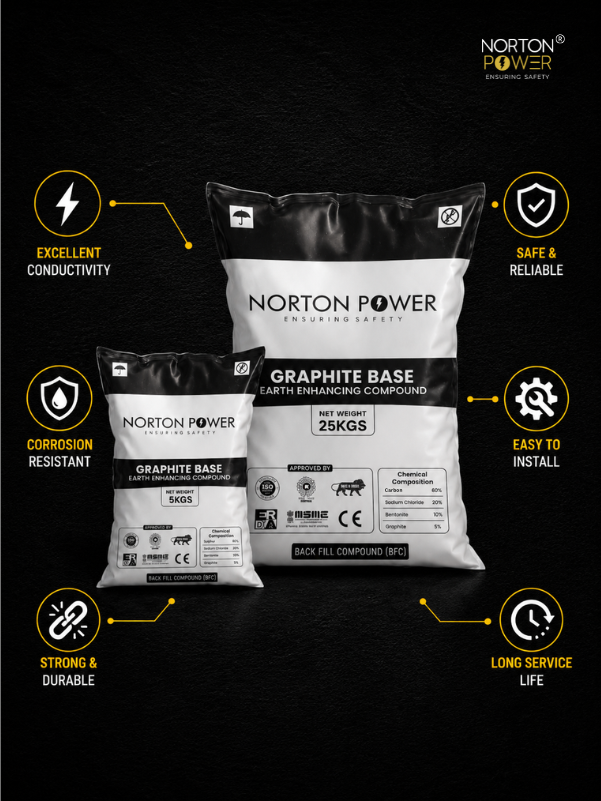
Grounding is what keeps a solar plant safe and running: it protects people from shock, gives fault and lightning current a path to earth, and gives the inverters and SCADA a stable reference. Poor earthing shows up as nuisance inverter trips, equipment damage from surges, and a shock risk - which is why the earthing is tested at commissioning and periodically after.
Why it is critical
- Safety - no dangerous touch potential on frames or enclosures.
- Protection - fault and lightning current cleared safely.
- Uptime - stable reference stops nuisance inverter and SPD trips.
- Asset life - surges diverted instead of hitting electronics.
How to test it
- Earth resistance of each pit and the overall grid with a 4-pin or clamp tester (target 1 ohm or less at stations).
- Continuity and bond resistance from module frames to the grid.
- Soil resistivity if resistance is high, to plan more electrodes or compound.
- Record values and re-test before each monsoon as a baseline.