Cement, steel and heavy industrial plants push earthing harder than almost any other site: fault currents are very high, the earthing grid spans a huge distributed facility, and the environment is hot, dusty, vibrating and often chemically aggressive. Get the grid sizing or the joints wrong and the earth becomes the weak link in a plant where a fault is measured in tens of kiloamps. This guide covers how it is specified.
1. What makes heavy-plant earthing hard
- Very high prospective fault currents from large transformers, arc furnaces and motor loads — conductor cross-sections and step/touch design are governed by IEEE 80.
- A large, distributed site (kilns, mills, furnaces, material handling, substations) all tied into one grid.
- Harsh conditions — heat, dust, vibration, and often corrosive process chemistry — attack conductors and joints.
- Tall structures (silos, preheater towers, chimneys, conveyors) are lightning targets.
2. The site-wide earthing grid
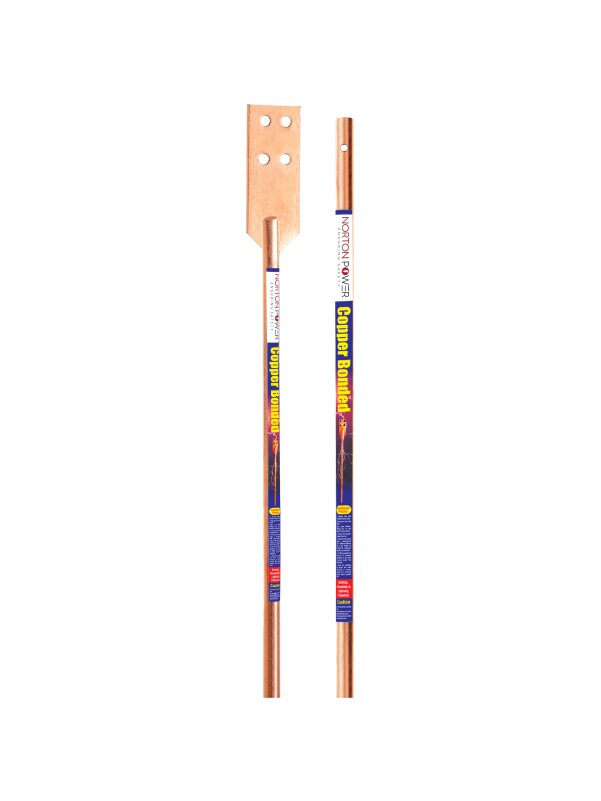
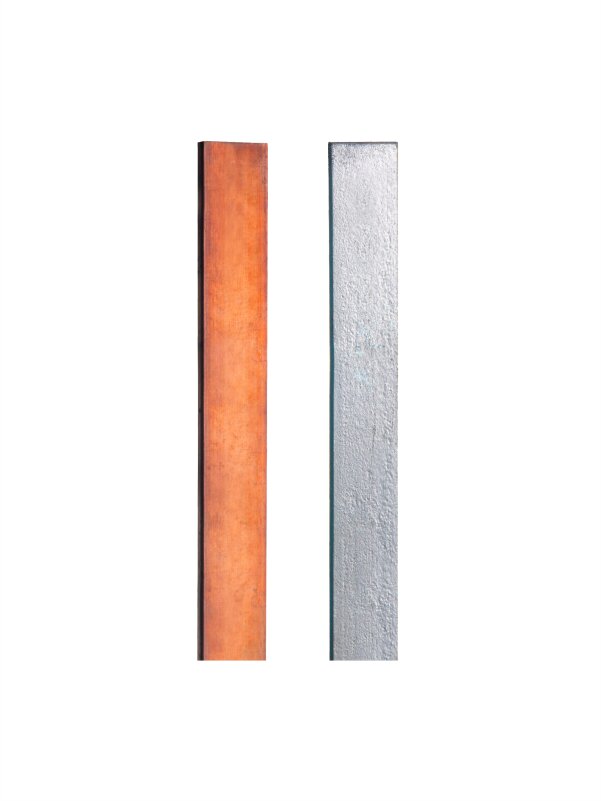
A buried mesh grid of copper strip interconnecting many copper bonded rod pits ties the whole plant into one low-resistance, equipotential mass. The conductor cross-section is sized to the prospective fault current and clearing time (see the strip-sizing guide) — heavy plants routinely need large copper sections. Buried joints are exothermically welded for integrity, and step-and-touch voltages are verified per IEEE 80 across walkways and operator positions.
3. What to bond
- Every transformer, switchgear, motor, and structural steel column to the grid.
- Cranes, conveyors and material-handling structures (large moving metal masses).
- Furnace and kiln shells and their process earths, per the equipment requirements.
- Cable trays, pipe racks and incoming services.
4. Lightning protection
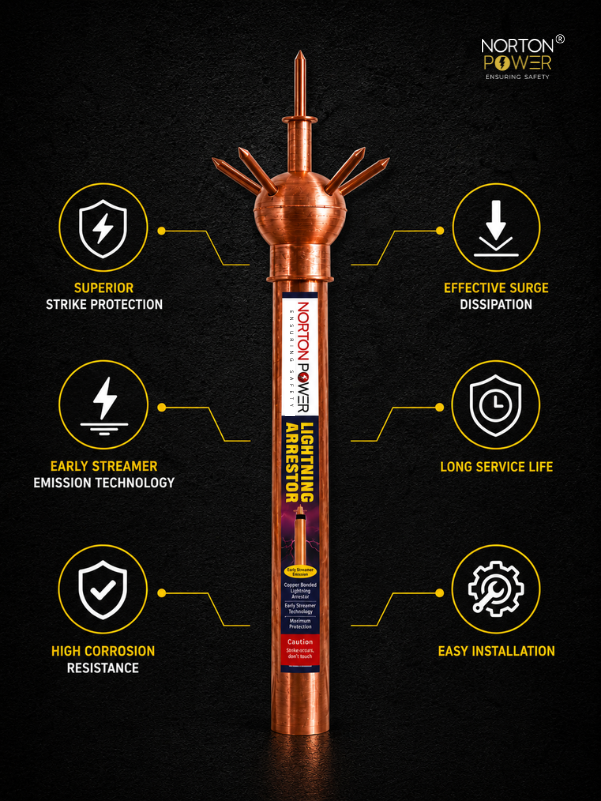
Silos, preheater towers, chimneys and conveyor galleries are struck directly. They get air terminals and down-conductors bonded to the grid per IEC 62305, with the tallest structures acting as primary receptors. Surge protection guards plant control and drive electronics.
5. Materials that survive the environment
| Factor | Specification |
|---|---|
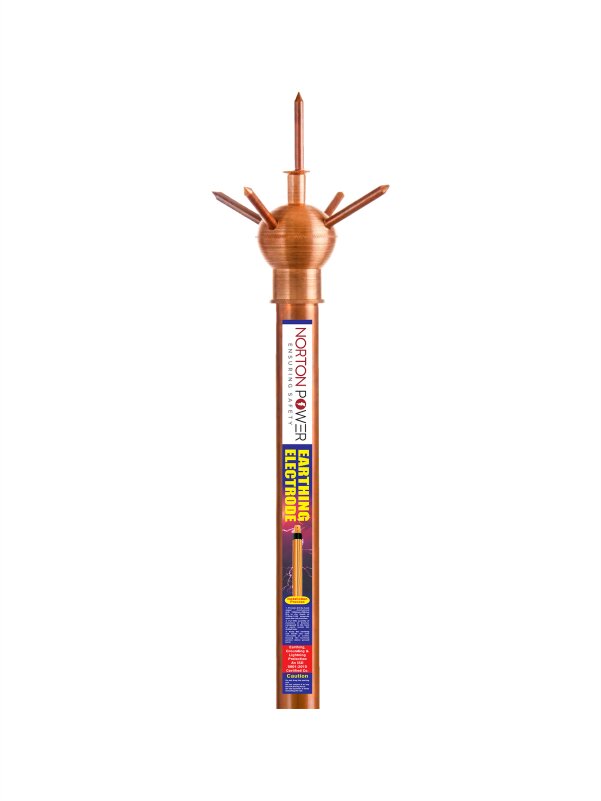
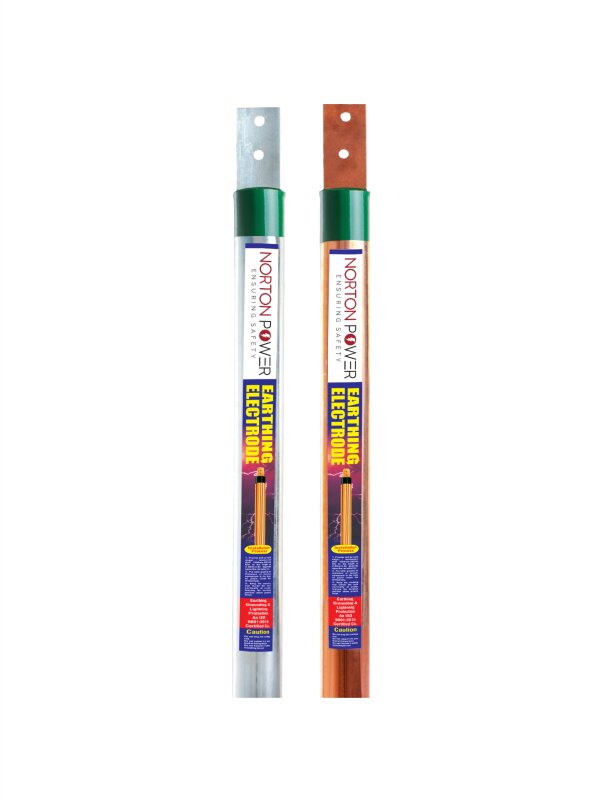
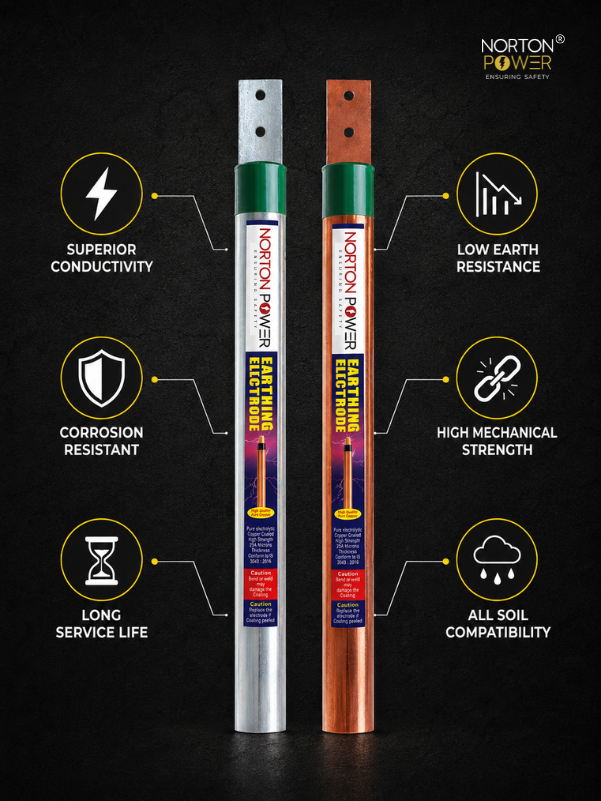
| Electrode | Copper bonded 250 µm (UL 467) — outlasts GI in hot, corrosive ground. |
| Grid conductor | Copper strip, sized to the high fault current; exothermic-welded buried joints. |
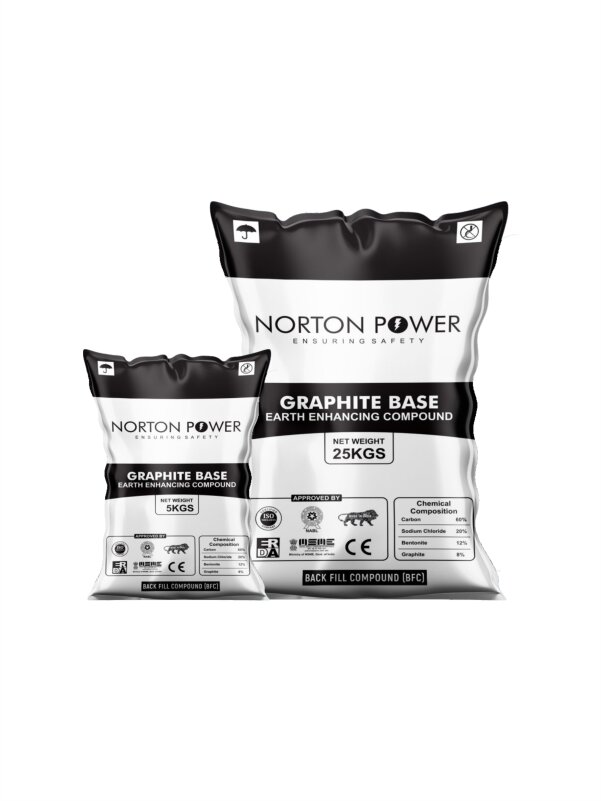
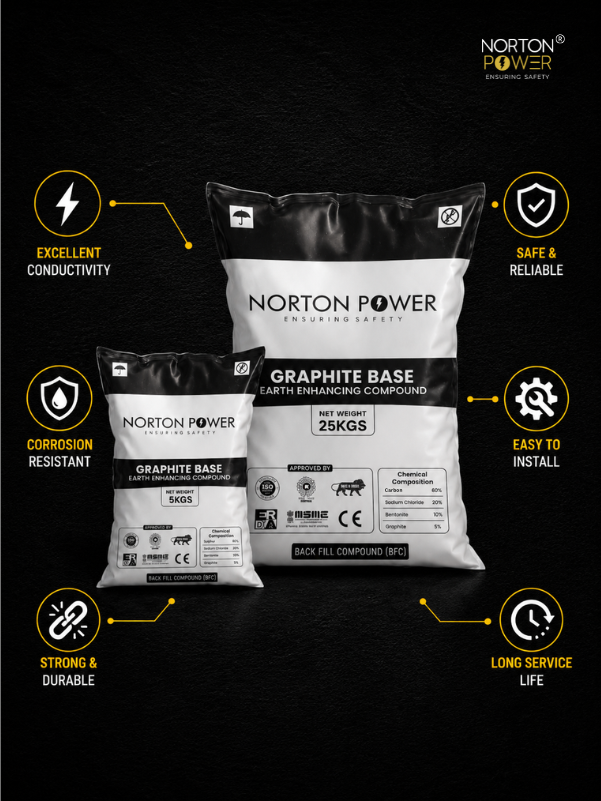
| Backfill | Non-corrosive earth-enhancing compound for a low, stable resistance. |
| Design basis | IEEE 80 step-and-touch verification for the high fault current. |
6. Checks before you buy
- Is the grid conductor sized to the actual (high) fault current and clearing time, with step-and-touch verified to IEEE 80?
- Copper bonded 250 µm electrodes and copper grid, with exothermic joints for buried integrity?
- Are all structures, cranes, furnaces and services bonded into one grid?
- Non-corrosive compound and CPRI-tested electrodes for the harsh environment?
- A sized BOM against the measured soil resistivity and fault current?