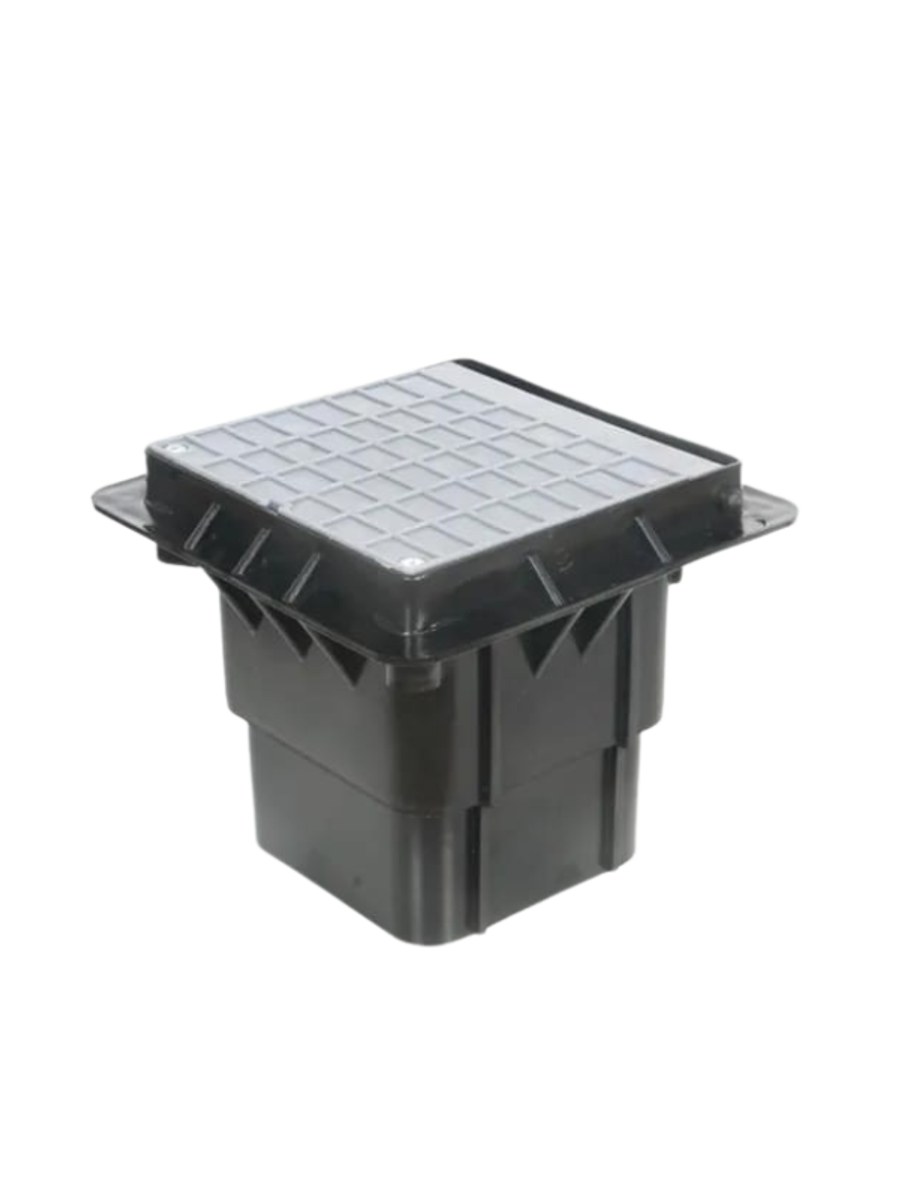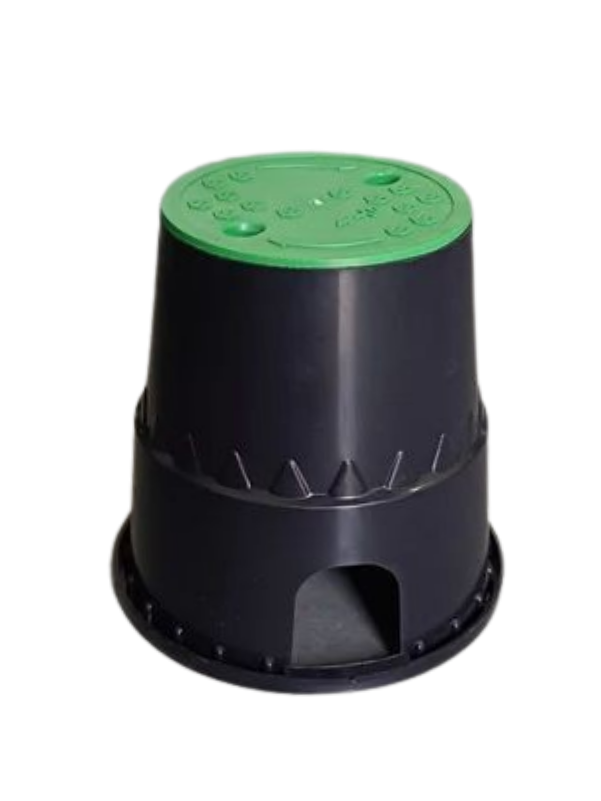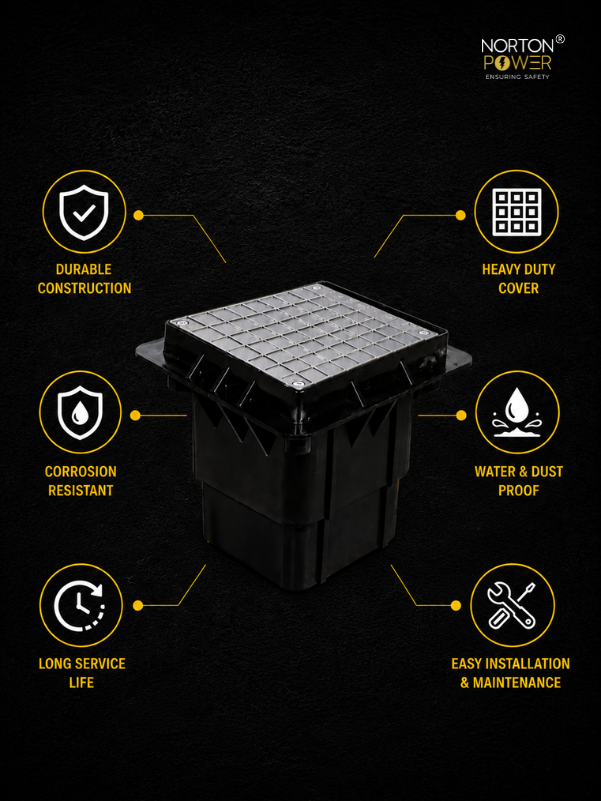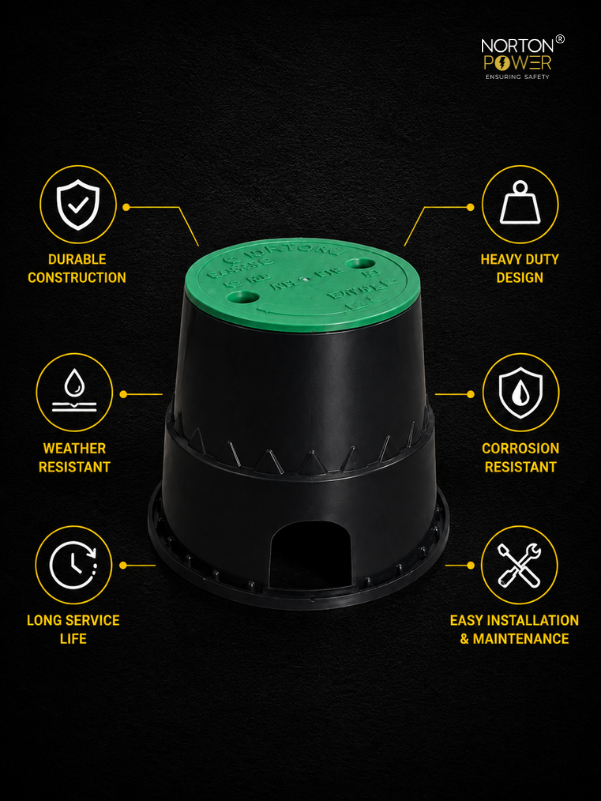
An earth pit cover is the lid and frame that sits over an earth electrode connection, and the inspection chamber is the housing beneath it. Together they keep the earth joint accessible for the periodic resistance test IS 3043 requires, while protecting it from soil, water and tampering. This guide covers the sizes, the specification, and how the cover is fitted, so you order the right one.
1. What the cover and chamber are (and why they exist)
The chamber is a box set into the ground around the rod-to-strip connection; the cover is its removable lid in a frame. The whole point is access: IS 3043 requires the earth connection to be reachable so its resistance can be tested periodically without excavation. The cover also protects the copper joint from moisture, soil ingress and theft.
2. Standard sizes
| Size | Typical use |
|---|---|
| 300 x 300 mm (square) | Single-rod earth pit — the common size |
| 450 x 450 mm (square) | Multi-rod or strip-grid pit needing more access |
| Round covers | Round chambers, functionally equivalent to square |
| Depth | Sized so a hand and spanner reach the clamp |
Pick the size so there is clear access to the rod-to-strip clamp for the annual test. For which material to choose (cast iron, GI, SMC or polymer, and the load class), see the pit-cover types guide.
3. How the cover is fitted
- Set the chamber over the rod connection at the correct level.
- Seat the frame on a thin cement bed at finished ground level, aligned with the connection.
- Backfill around the frame with the remaining soil and place the lid.
- Mark each pit (Pit A1, A2, etc.) to match the layout drawing for inspection.
4. The test the cover exists for
Once a year (and before monsoon as a baseline), the cover is lifted and the earth resistance measured with a 4-pin or clamp tester per IS 3043, and the value logged. If it has drifted up by more than about 20 percent from commissioning, the pit is topped up with water and earth-enhancing compound. A non-conductive cover (SMC or polymer) is preferred at public or substation locations to avoid step-potential at the lid.
5. Checks before you buy
- Size (300 x 300 or 450 x 450 mm, or round) matched to single-rod or multi-rod access?
- Is the chamber + frame supplied with the lid, or just the lid?
- Load class matched to the heaviest traffic that will cross it (see the types guide)?
- Conductive or non-conductive? Non-conductive SMC/polymer for public or HV areas.
- Lockable / corrosion-proof for theft-prone or wet sites?