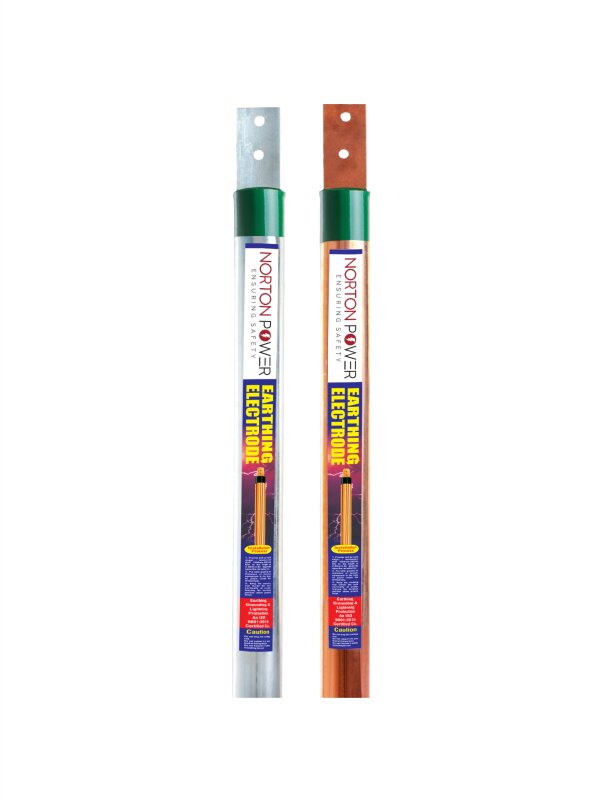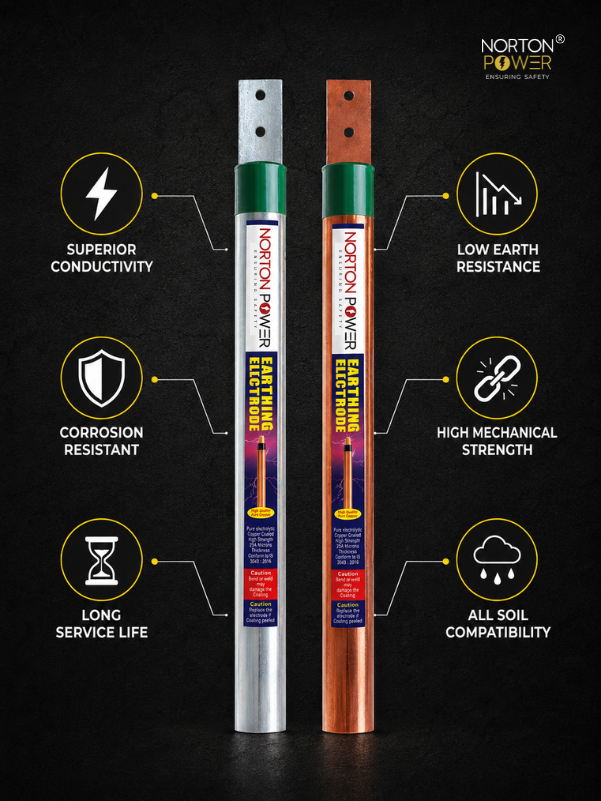
"Earthing electrode" covers three families that IS 3043 recognises — pipe, plate and rod. They are not interchangeable: each suits a different soil, footprint and budget. This guide explains what each is for and how to choose, so you specify the right electrode rather than the one you have always used.
1. The three families
| Electrode | In one line |
|---|---|
| Pipe | A GI / copper pipe (typically 40–100 mm dia) driven vertically; large surface area, the traditional Indian distribution electrode. |
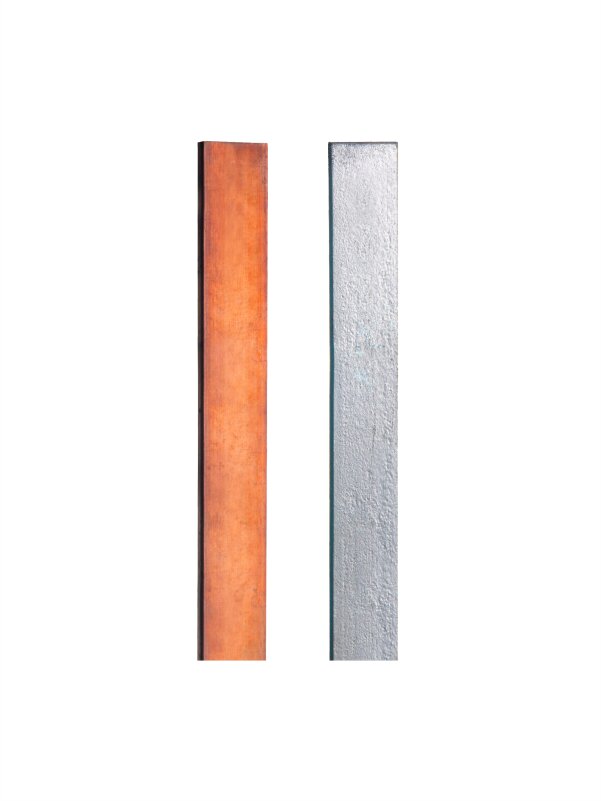
| Plate | A copper or GI plate (e.g. 600×600 mm) buried in a pit; high surface area for shallow / hard ground where you cannot go deep. |
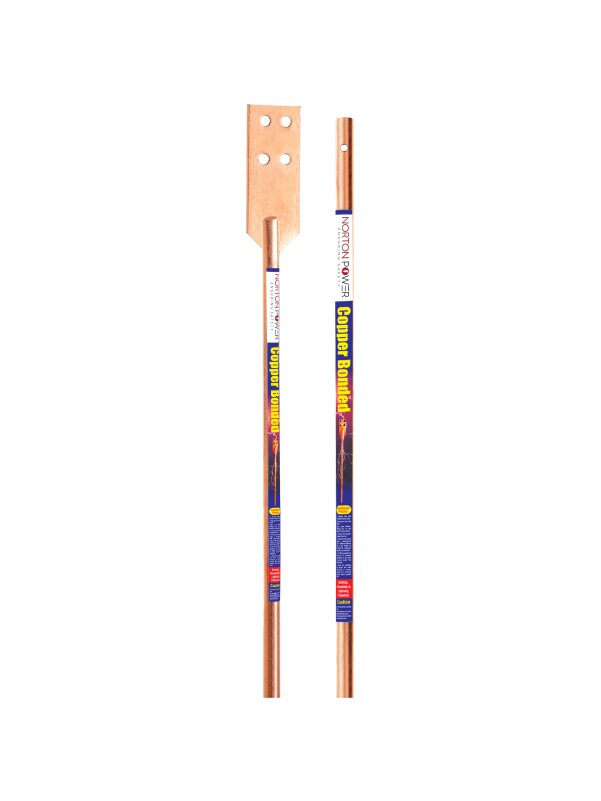
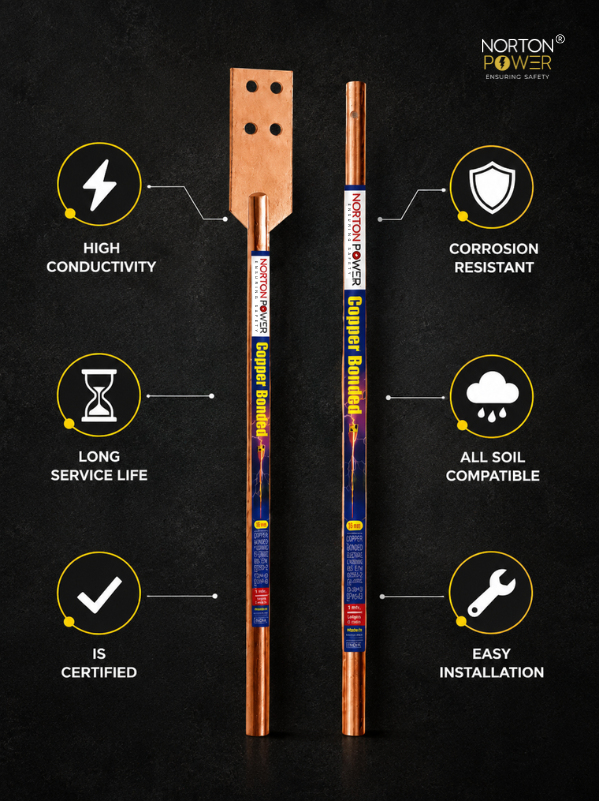
| Rod | A copper bonded steel rod driven deep; the modern default — long life, deep low-resistivity contact, easy to grid. |
2. Pipe electrode — when it still fits
A pipe electrode (GI or copper, perforated for water/charcoal in the old design) offers a large contact area and is well understood by every Indian contractor. It suits distribution-grade installations and water-table sites. The downsides are corrosion (GI) and the bulk/handling of a long pipe. Modern practice often replaces it with a copper bonded rod plus compound for longer life at lower install effort.
3. Plate electrode — shallow and hard ground
A plate electrode (copper or GI plate buried flat in a pit with alternating layers of charcoal/compound) gives a lot of surface area without depth — useful where rock or a high water table stops you driving a rod. It is labour- and material-heavy and harder to test, so it is now reserved for the specific shallow/hard cases where a rod cannot be driven.
4. Rod electrode — the modern default
A copper bonded rod reaches deeper, more stable, lower-resistivity soil; lasts decades thanks to the copper jacket; is light to handle; couples for deeper drives; and grids easily with strip for substations and solar. For most new work it is the default — and paired with earth-enhancing compound it beats pipe and plate on resistance, life and install time.
5. Side-by-side
| Factor | Pipe · Plate · Rod |
|---|---|
| Service life | Medium (GI) · Medium · Long (copper bonded) |
| Install effort | High · Highest · Low |
| Best soil | Normal / water-table · Shallow / hard · Most, esp. with compound |
| Grids easily? | Moderate · Poor · Yes |
| Testability | OK · Harder · Easy |
| Modern usage | Declining · Niche · Default |
6. Sizing per IS 3043
IS 3043 gives minimum dimensions for each electrode type (pipe diameter and length, plate area and thickness, rod diameter and length) and the resistance formulae to compute how many you need for your soil resistivity and target resistance. The design flow is always the same: measure soil resistivity, compute single-electrode resistance, then parallel enough electrodes (plus compound and grid strip) to reach the target. See our worked substation example for the full calculation.
7. Checks before you buy
- Which electrode type does your soil and footprint actually call for (do not default by habit)?
- Material and coating — copper bonded micron rating, or GI coating thickness (IS 4759)?
- IS 3043 minimum dimensions met, with a CPRI fault-current test report?
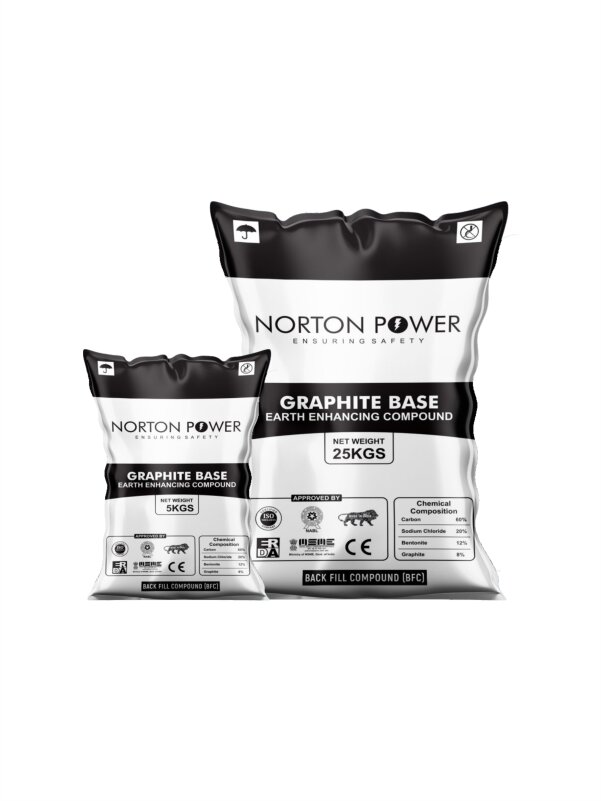
- Is earth-enhancing compound included to hit the resistance target?
- Can the supplier give a sized BOM (electrode count + compound + strip) for your measured resistivity?