An EV charging station puts high-power electrical equipment in an open, public, touchable location, often outdoors and unattended, which makes a reliable low-resistance earth a genuine safety requirement, not a formality. DC fast chargers in particular have specific earthing and leakage-protection needs, and their sensitive power electronics need surge protection that only works over a good earth. This guide covers how to specify it.
1. Why EV charging needs careful earthing
- Chargers are in reach of the public, so touch voltages under a fault must stay safe, which needs a low-resistance earth and correct residual-current protection.
- DC fast chargers can produce DC leakage components that ordinary AC-only residual-current devices do not detect, so DC-capable protection (RCD Type B or residual-current monitoring) is used, and both depend on a solid earth.
- Charger power electronics are surge-sensitive and often outdoors, exposed to switching and lightning transients.
- Sites are outdoor and long-lived, so corrosion resistance matters.
2. The earthing arrangement
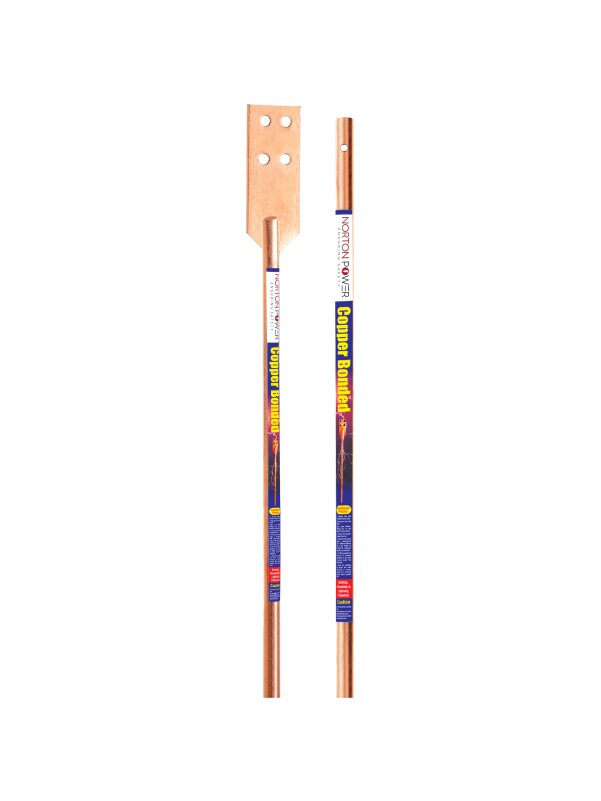
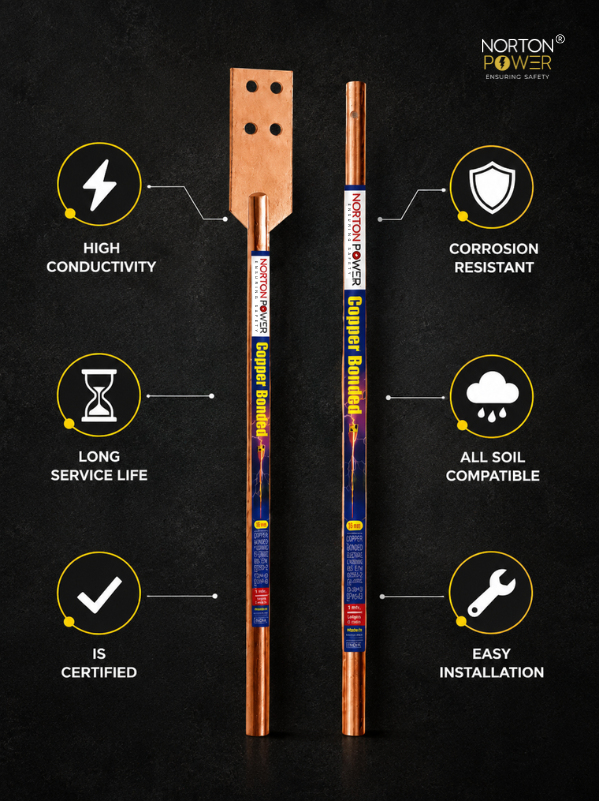
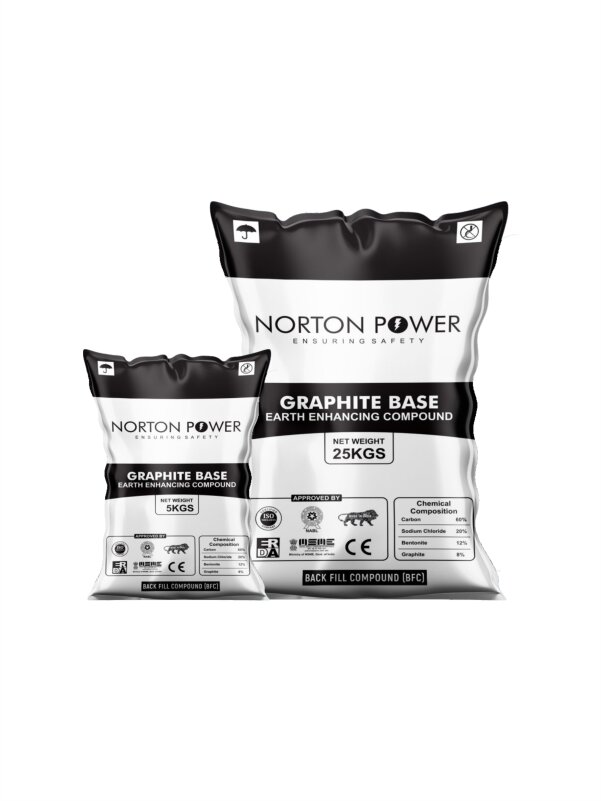
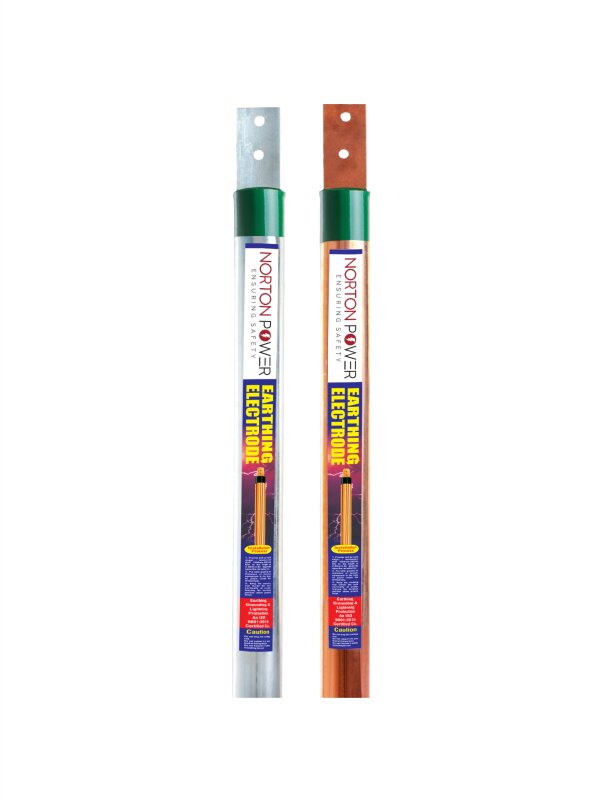
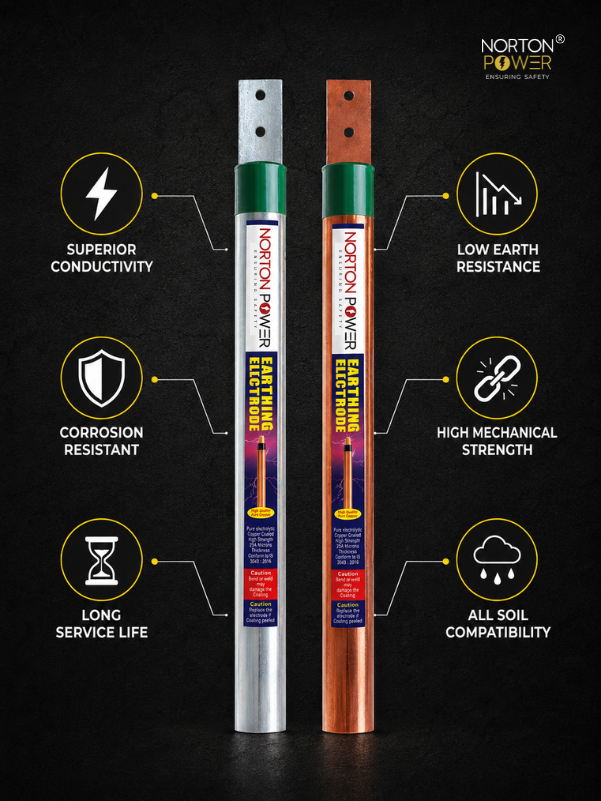
Each charging station is provided with a dedicated earth electrode (or a shared low-resistance earth for a charging plaza), typically copper bonded 250 µm rods with earth-enhancing compound to reach a low resistance. The protective earth bonds every charger enclosure, the supply system earth and any metal canopy or structure into one mass, so a fault trips protection quickly and no touchable part can rise to a dangerous voltage. Whether the site is TT or TN earthed drives the exact electrode and protection design, so confirm it with the DISCOM.
3. Surge protection over a good earth
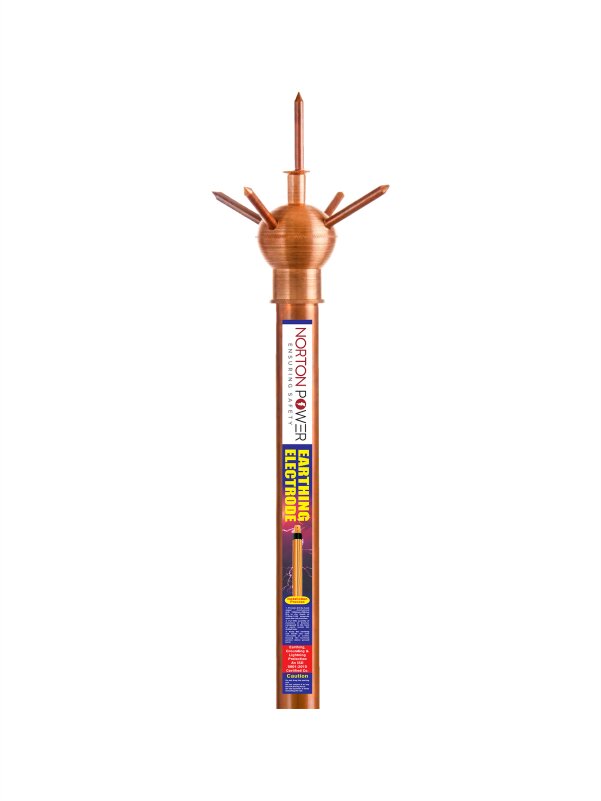
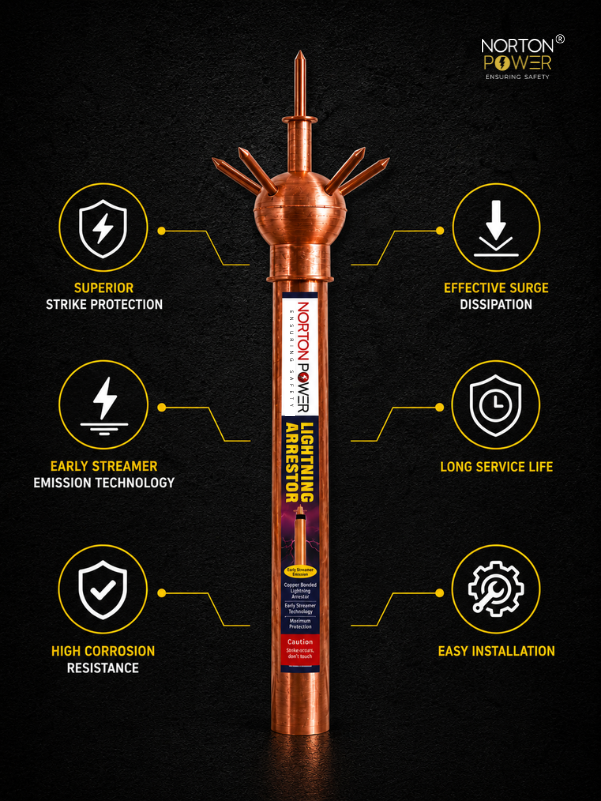
Surge protective devices are fitted at the supply and at the chargers to clamp switching and lightning transients before they reach the power electronics. An SPD only works if it has a short, low-impedance path to a good earth, which is exactly what the electrode network provides. Sites with tall canopies or in high-lightning areas add air-termination and bonding per IEC 62305.
4. Materials for an outdoor site
| Factor | Specification |
|---|---|
| Electrode | Copper bonded 250 µm (UL 467) — long outdoor life, corrosion-resistant. |
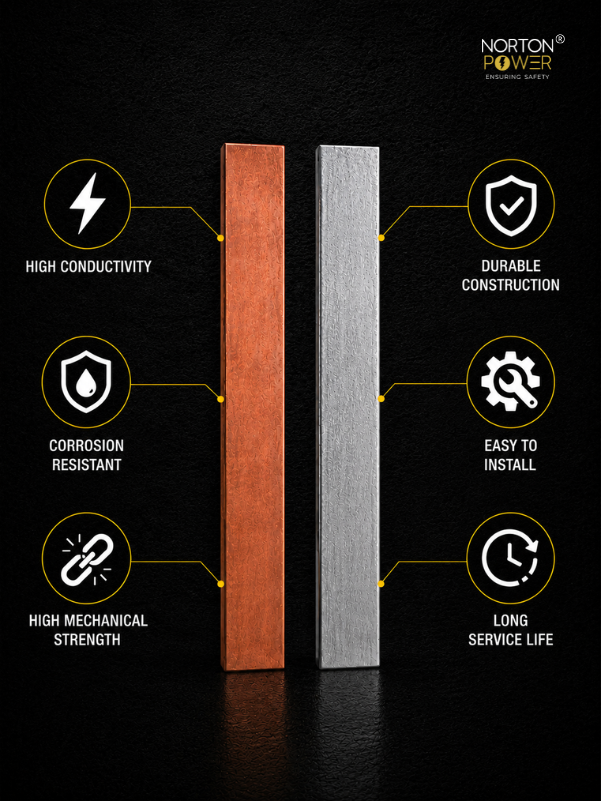
| Bonding conductor | Copper strip, sized for the fault current. |
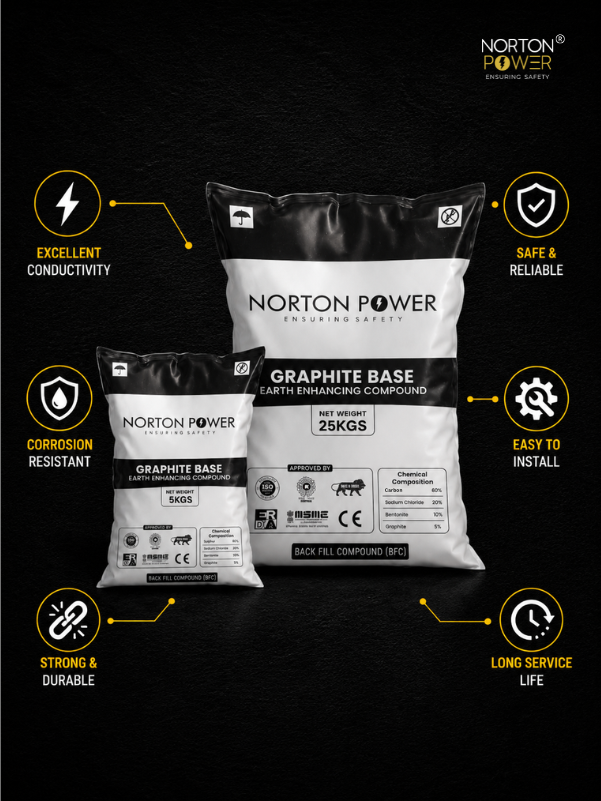
| Backfill | Non-corrosive earth-enhancing compound to hit a low resistance. |
| Pit access | Inspection cover (non-conductive) for periodic testing at a public site. |
5. Checks before you buy
- Is the earth resistance target low enough for safe touch voltage, with the correct residual-current protection (DC-capable for DC fast chargers)?
- Is every charger enclosure, canopy and the supply earth bonded into one mass?
- Are surge protective devices fitted with a short low-impedance bond to a good earth?
- Copper bonded 250 µm electrodes and non-corrosive compound for a long outdoor life?
- CPRI-tested electrodes and a sized BOM for the number of chargers and soil resistivity?