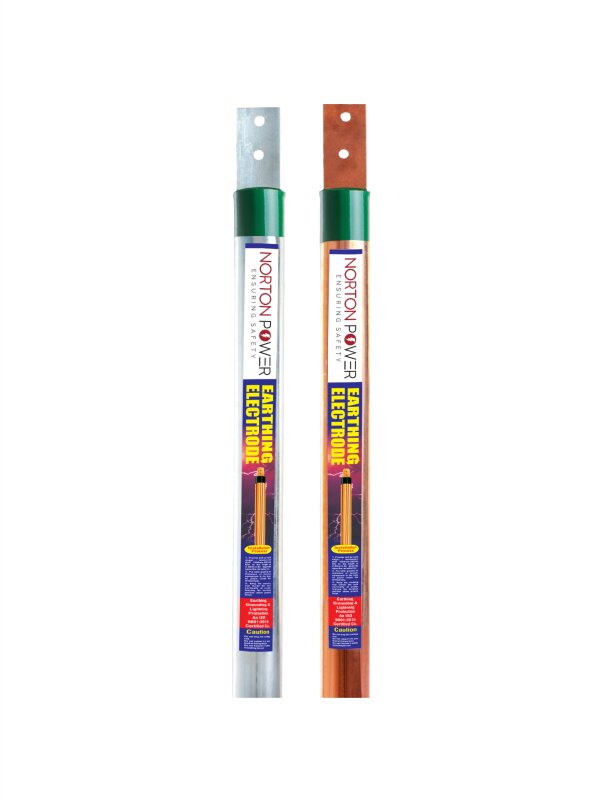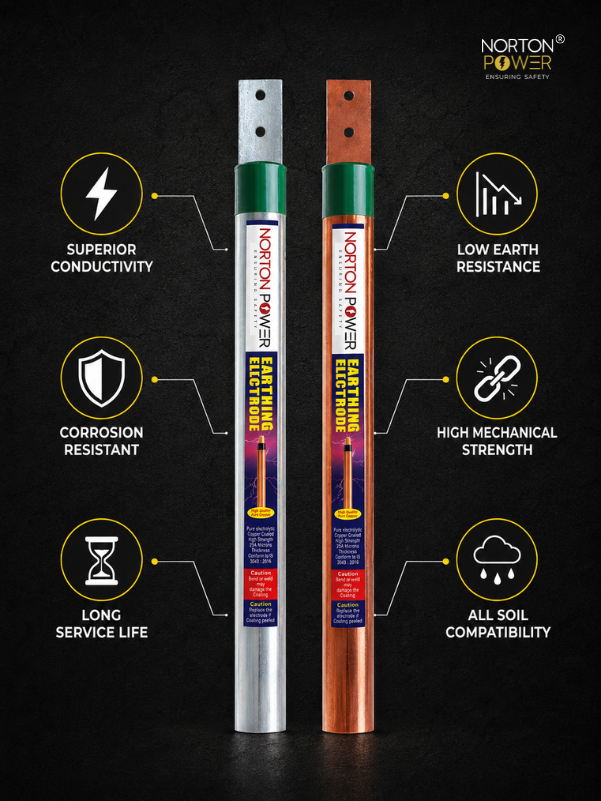
A pipe earthing electrode is a length of galvanised-iron or copper pipe, installed vertically in an earth pit, that dissipates fault current into the soil through its large surface area. It is the traditional Indian distribution-grade electrode, defined in IS 3043, and it is still specified where a big contact area in normal soil is wanted. This guide covers the sizes, the GI-versus-copper choice, and how to install one.
1. What a pipe earthing electrode is
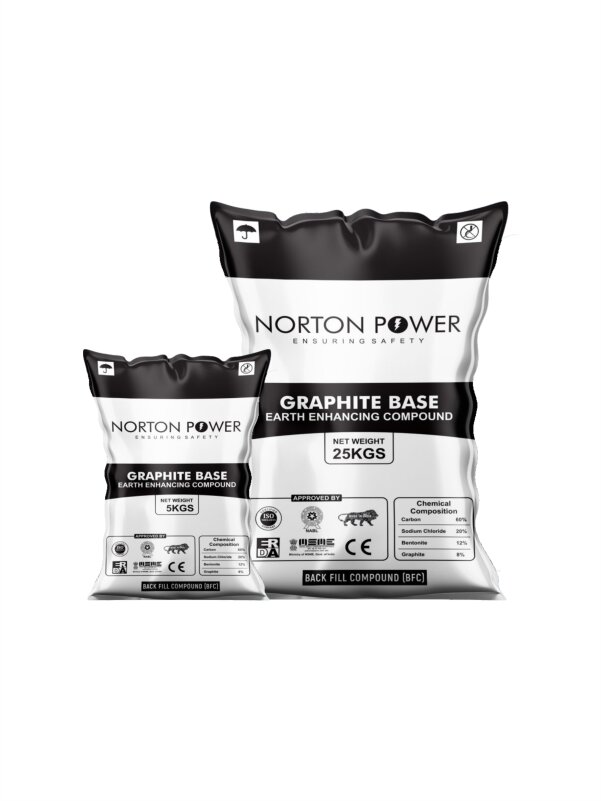
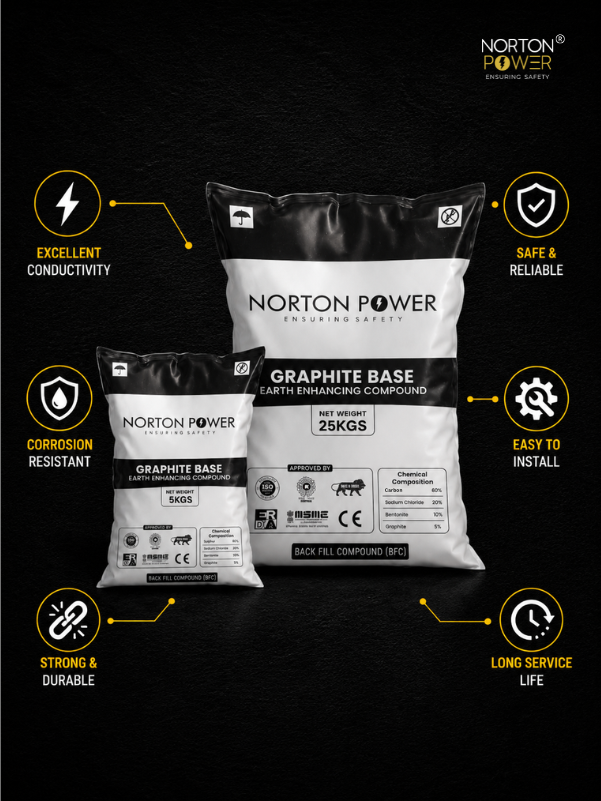
A pipe electrode is a hollow pipe (often perforated in the traditional design) driven or set vertically into an earth pit and connected to the earthing system. Its large outer surface gives a big soil-contact area, and in the classic design the pit is filled with alternating layers of charcoal and salt (now better replaced by earth-enhancing compound) to lower the resistance around it.
2. IS 3043 sizes
IS 3043 gives minimum dimensions for pipe electrodes. In typical practice:
| Parameter | Typical value |
|---|---|
| GI pipe diameter | 40 mm nominal bore (larger for higher duty) |
| Copper pipe diameter | about 38 mm and up |
| Length | 2.5 to 3 m minimum, driven to reach moist soil |
| Wall / condition | Sound, corrosion-protected (galvanised for GI) |
The exact size is chosen so that the electrode, in parallel with others and with earth-enhancing compound, reaches the target earth resistance for the installation.
3. GI pipe vs copper pipe
| Attribute | GI pipe · vs · Copper / copper-bonded pipe |
|---|---|
| Corrosion life in soil | Shorter (zinc depletes) · vs · Long |
| Conductivity | Lower · vs · High |
| Cost | Lower · vs · Higher |
| Best use | Distribution-grade, benign soil, budget · vs · Long-life, corrosive soil, critical duty |
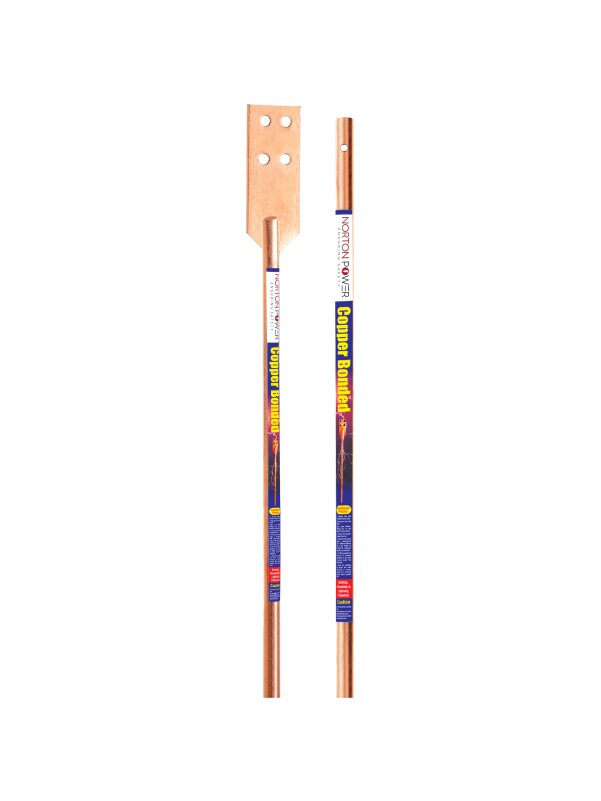
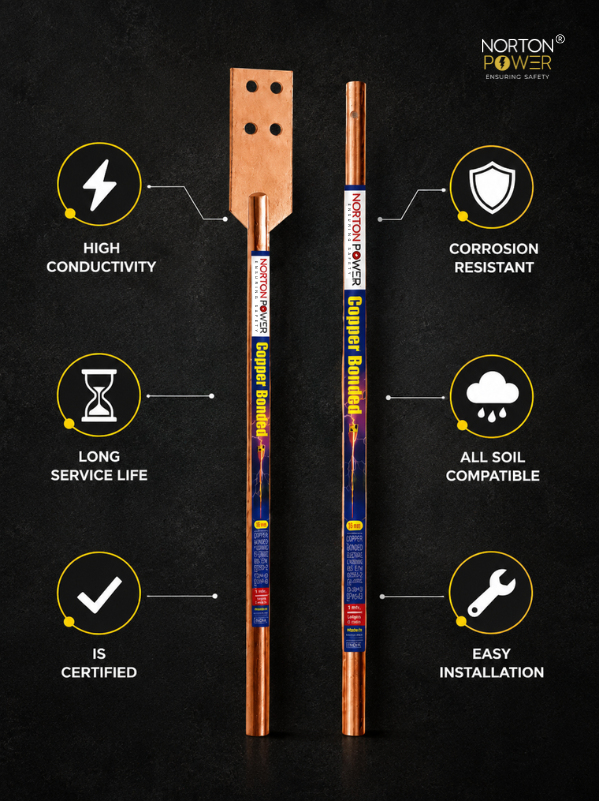
For most modern critical work a copper bonded rod plus compound has overtaken the GI pipe on life and install effort, but the pipe electrode remains valid for distribution-grade and water-table sites.
4. How a pipe electrode is installed
- Excavate the pit and set the pipe vertically so its top sits below finished ground level for the connection chamber.
- Pack around the pipe with earth-enhancing compound mixed with sieved soil (in place of the old salt-and-charcoal), in layers.
- Water to activate the compound; allow it to cure before testing.
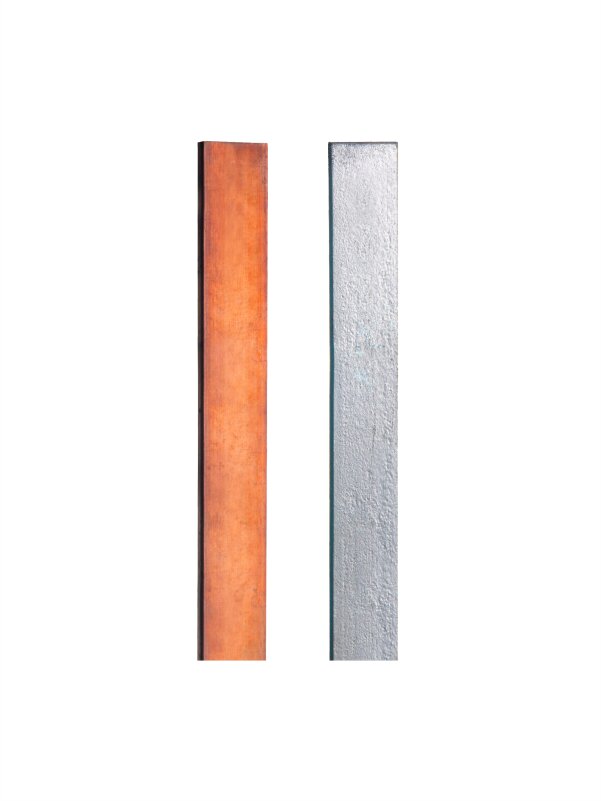
- Connect the pipe to the earthing strip via a clamp/lug, and fit a pit cover for inspection and the IS 3043 test.
5. Pipe vs rod vs plate — when the pipe fits
A pipe electrode suits normal soil and water-table sites where a large contact area is wanted and depth is achievable. A rod (copper bonded) reaches deeper, stabler soil and lasts longer; a plate suits shallow or hard ground where depth is impossible. See the full electrode-types guide for the side-by-side.
6. Applications
- Distribution transformers and LT panels
- Residential, commercial and small industrial earthing
- Water-table and normal-soil sites
- General equipment and neutral earthing where a pipe is specified
7. Checks before you buy
- GI or copper pipe — matched to the soil life and duty?
- IS 3043 minimum size (diameter, length) met?
- For GI: galvanising thickness and corrosion warranty for your soil?
- Is earth-enhancing compound included to hit the resistance target (not salt)?
- A sized quantity for your measured soil resistivity?