Railway and metro earthing is a specialist discipline, not ordinary industrial earthing scaled up. The same network carries high-voltage traction power, a return current flowing through the running rails, safety earthing for tens of thousands of exposed structures, and delicate signalling electronics, and on DC metros it must also stop stray current quietly corroding the tunnel and utilities. This guide explains the sub-systems, how AC and DC systems differ, and how to specify the materials.
1. Why rail earthing is its own discipline
- The running rails double as the traction return conductor, so "earth" and "return current path" interact in ways they never do in a factory.
- Touch and step potentials must stay safe along thousands of kilometres of publicly accessible track and platforms.
- DC metros generate stray current that leaks from the rails and corrodes the reinforcement, tunnel segments and buried metal unless it is controlled.
- Signalling and telecom need a clean, stable reference separate from the noisy traction earth, yet safely bonded.
- Lightning exposure is high along open-route overhead equipment (OHE) and at substations.
2. 25 kV AC traction vs 750 V DC metro
| Aspect | 25 kV AC (main line) · vs · 750 V DC (metro third rail) |
|---|---|
| Return path | Rails + return conductor / booster transformers · vs · Rails (insulated), with stray-current management |
| Dominant risk | High fault current, touch potential, induction · vs · Stray-current corrosion + touch potential |
| Rail-to-earth | Solidly / impedance bonded per design · vs · Deliberately insulated to limit stray current |
| Key extra standard | EN 50122-1 (safety) · vs · EN 50122-1 + EN 50122-2 (stray current) |
| Corrosion driver | Saline/soil chemistry · vs · DC stray current (aggressive) + soil |
3. The earthing sub-systems
OHE mast and structure earthing (AC)
Every OHE mast, portal and structure is bonded to the rail/earth system so a contact-wire fault or flashover drains safely and the structure cannot rise to a dangerous potential. This is a huge, repetitive earthing item along the whole route.
Traction substation (TSS) earthing
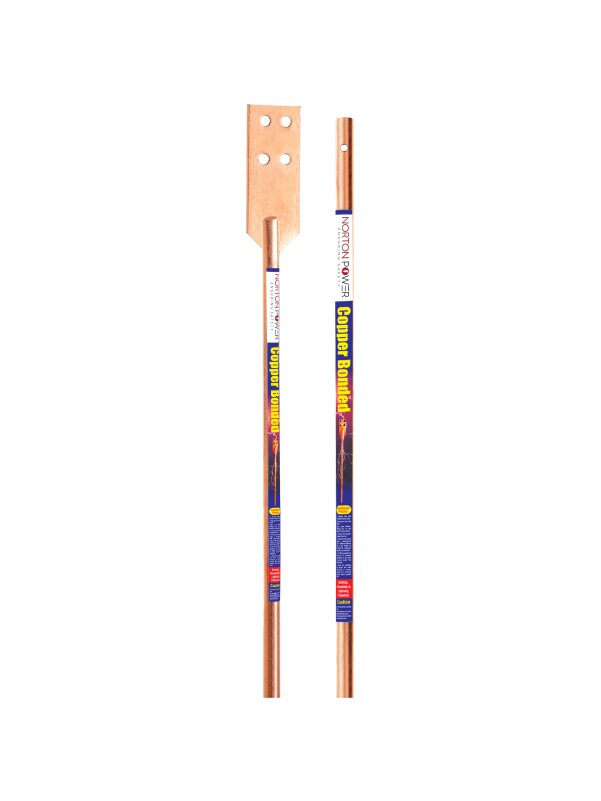
The traction substation gets a full earthing grid (copper bonded rods interconnected by copper strip, with earth-enhancing compound) sized for the fault current and a low resistance target, exactly like an HV substation, and bonded to the track earth.
Signalling and telecom earth
Signalling, axle counters and telecom need a clean reference earth, kept separate from the noisy traction return but bonded through controlled paths so there is no dangerous potential difference. Copper electrodes and low-noise bonding are used.
Station and depot earthing
Stations, depots and workshops have conventional building and equipment earthing (copper bonded rod pits, ring conductor, pit covers) bonded into the overall scheme.
4. Stray-current corrosion control (DC metros)
On a DC metro, current returning through the rails leaks into the ground and corrodes whatever it flows through on the way back to the substation, tunnel rebar, pipelines, cable armour. EN 50122-2 drives the controls:
- Insulate the running rails from earth as much as practical (high rail-to-earth resistance) to limit leakage at source.
- Provide a defined stray-current return / collection path so leakage is captured, not left to find its own route.
- Bond and monitor buried structures; provide test points and, where needed, drainage bonds.
- Use corrosion-resistant electrode material (copper) — this environment destroys bare steel.
5. Lightning protection
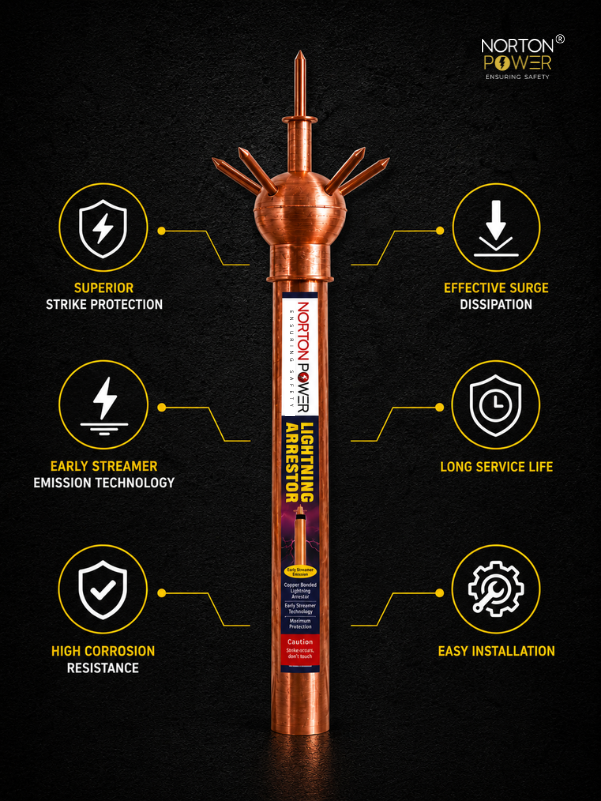
Open-route OHE, signalling gantries and substations are struck directly. Surge arrestors protect the OHE and equipment, air terminals protect substations and stations, and everything bonds to the earth system per IEC 62305. Signalling and telecom get dedicated surge protection at their clean earth.
6. Standards that apply
- EN 50122-1 — fixed installations, protective provisions relating to electrical safety and earthing (the core rail earthing standard).
- EN 50122-2 — protective provisions against the effects of stray currents from DC traction.
- IS 3043 / IEEE 80 — earthing practice and substation earthing (grid resistance, step-and-touch).
- IEC 62305 — lightning protection.
- Railway authority / metro corporation specifications (RDSO, DMRC-style) that adopt and tailor the above.
7. Materials and sizing
| Item | Specification |
|---|---|
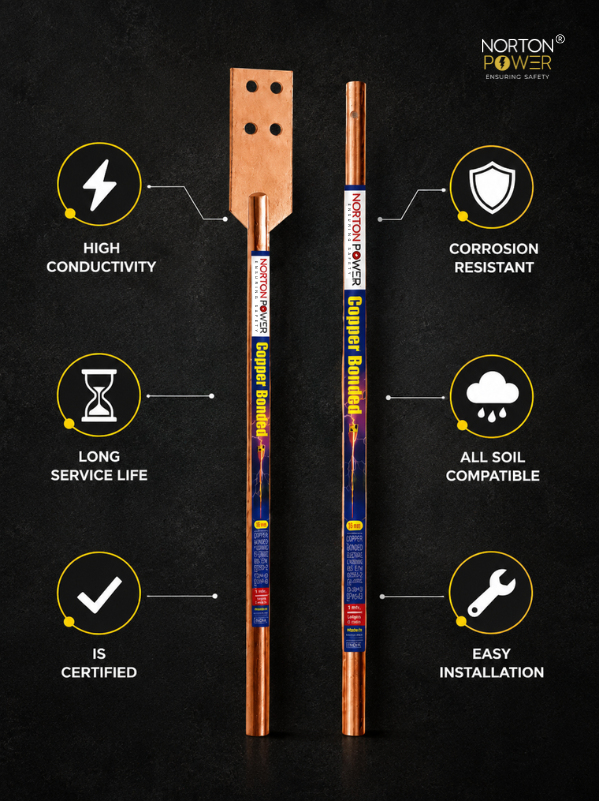
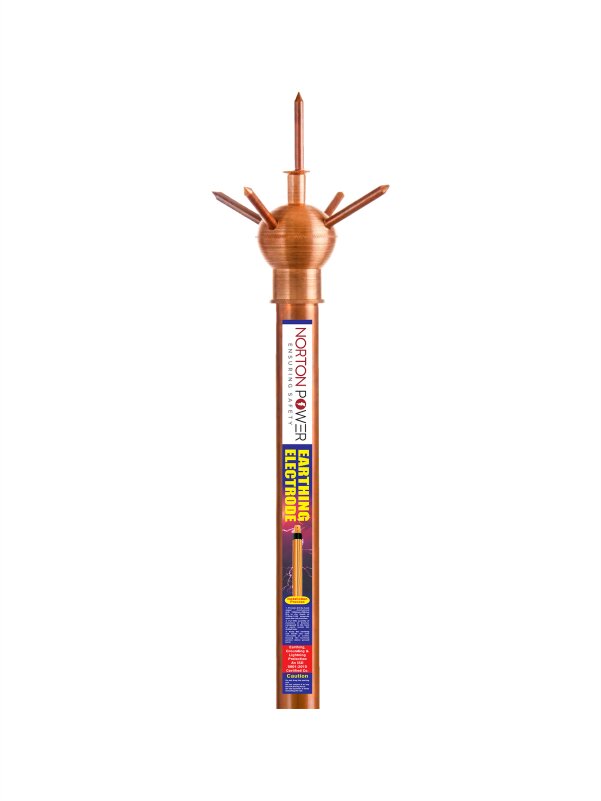
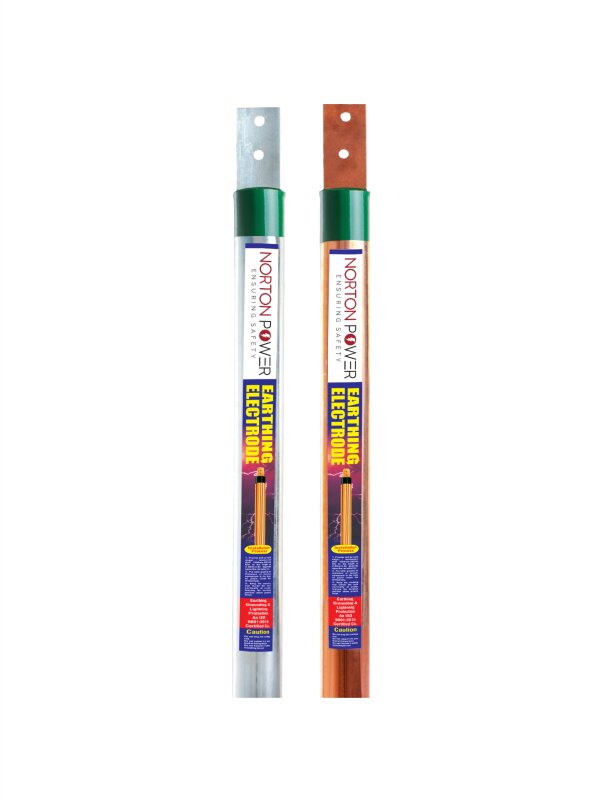
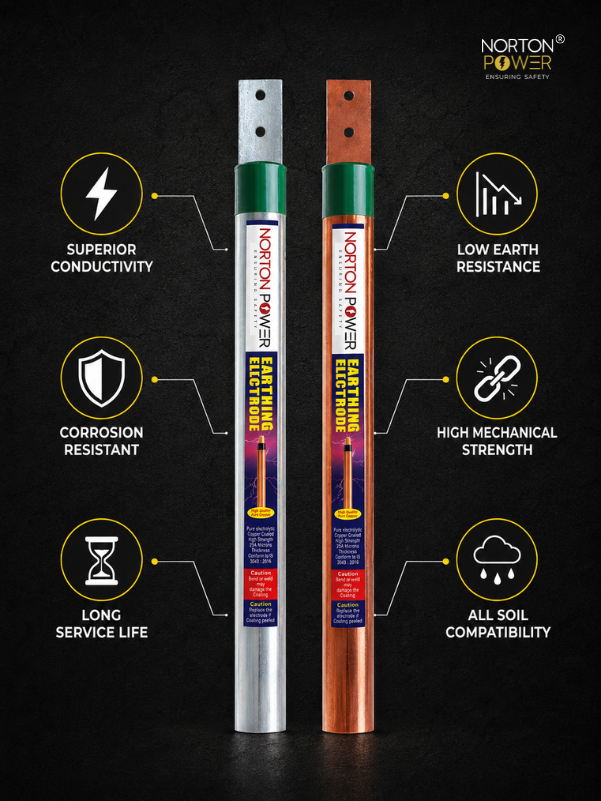
| Electrode | Copper bonded 250 µm (UL 467) — copper survives DC-stray-current and saline environments where steel fails fast. |
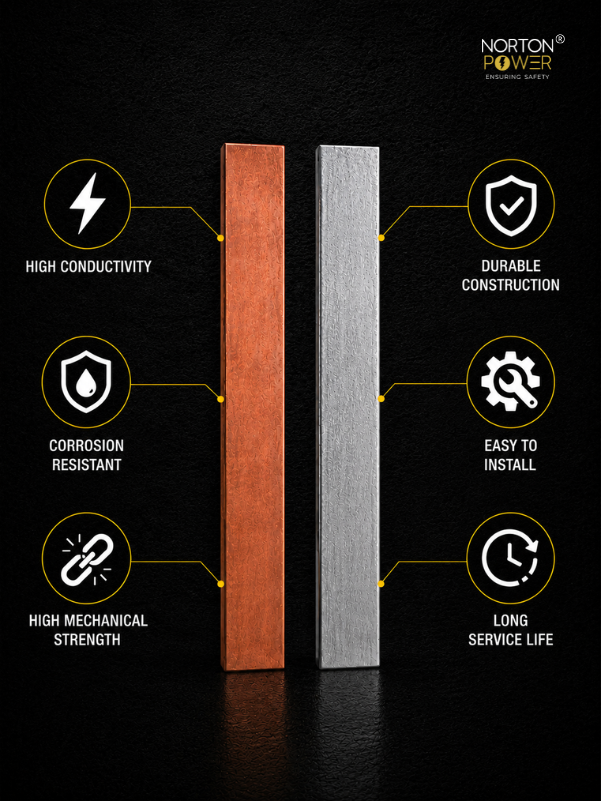
| Bonding / grid conductor | Copper strip, cross-section sized to the traction fault current and clearing time (see the strip-sizing guide). |
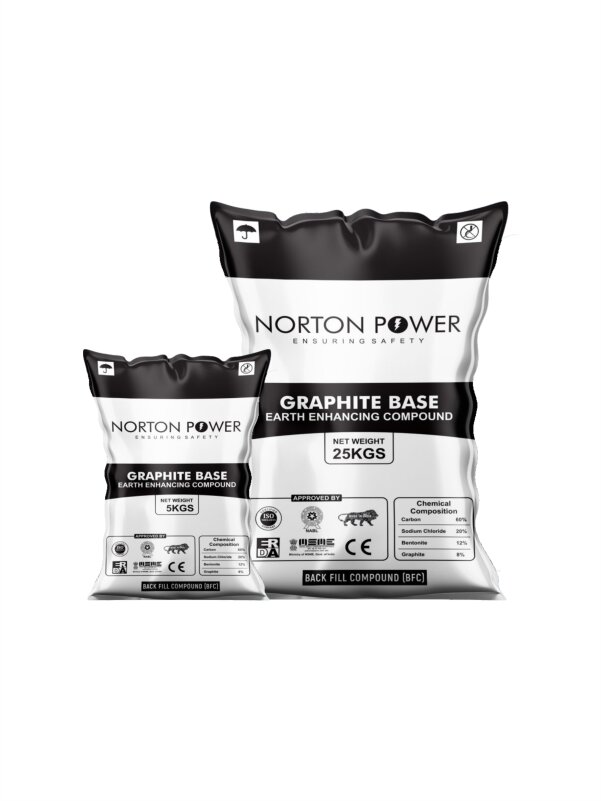
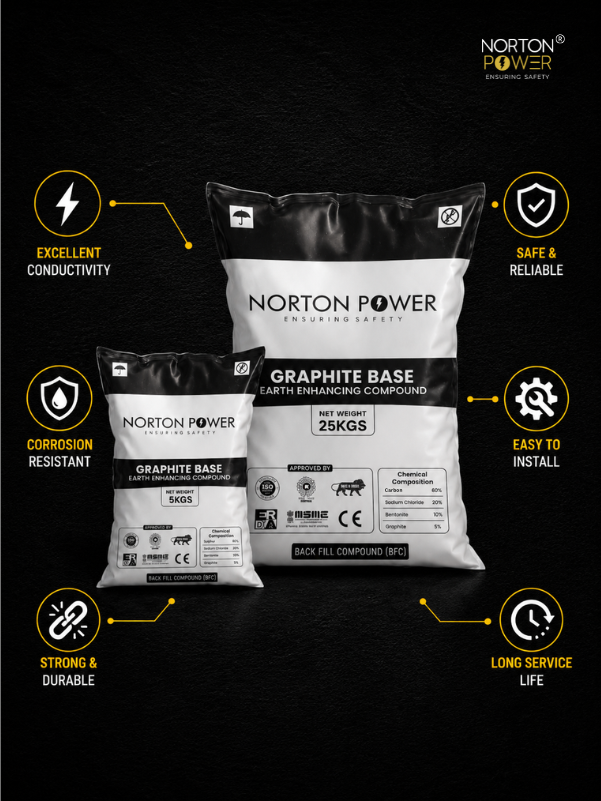
| Backfill | Non-corrosive graphite-based earth-enhancing compound (never salt). |
| Structure/mast bonds | Copper bonds and clamps, corrosion-protected at bimetallic joints. |
8. Checks before you buy
- AC or DC system — is stray-current control (EN 50122-2) part of the DC scope, not just safety earthing?
- Copper bonded 250 µm electrodes and copper conductors, sized for the traction fault current and the corrosive environment?
- Is the signalling/telecom clean earth handled separately but safely bonded?
- Non-corrosive compound, CPRI-tested electrodes, and test points for monitoring?
- Does the supplier give a sized BOM to the railway/metro authority specification?