A warehouse or cold store is a large, flat, metal-roofed structure standing in open land, which makes it one of the most lightning-exposed buildings a business owns, and a strike into a cold store can take down refrigeration and spoil an entire stockholding. The earthing and lightning system is straightforward to get right and cheap insurance against a very expensive failure. This guide covers how to specify it.
1. Why large sheds attract strikes
- A big metal roof on open ground is often the tallest, most conductive thing for a wide radius.
- A single strike can puncture roofing, ignite stored goods, and destroy refrigeration and control electronics.
- Long metal racking and cladding can carry side-flash currents between points at different potential.
2. Lightning protection: one mast can cover the footprint
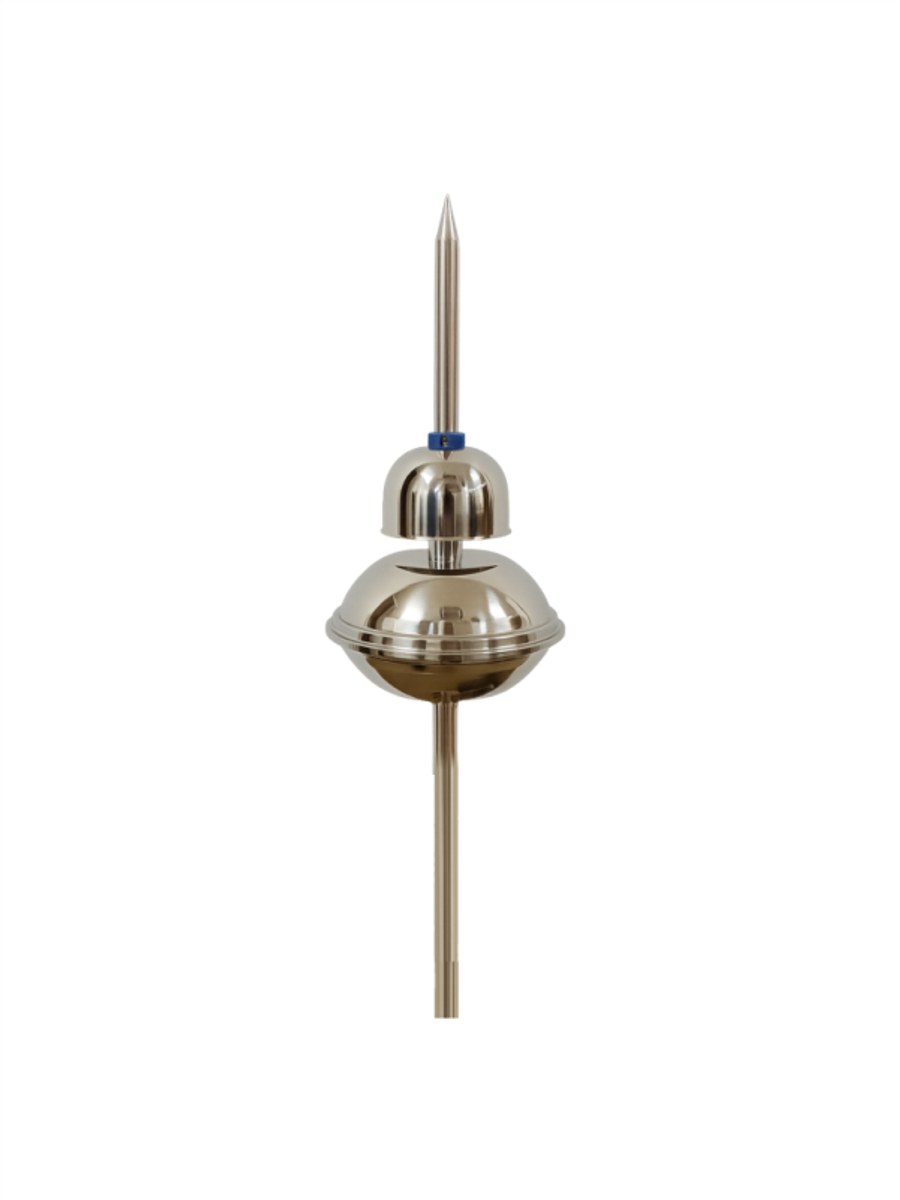
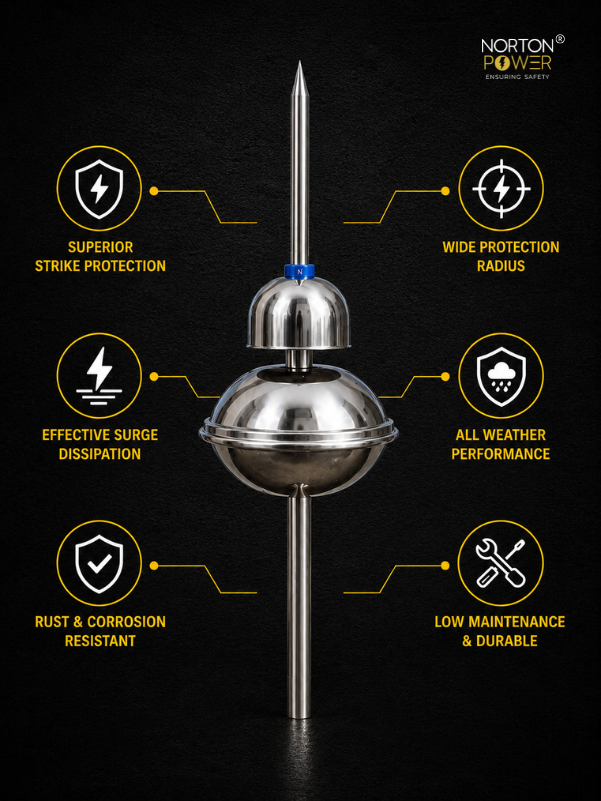
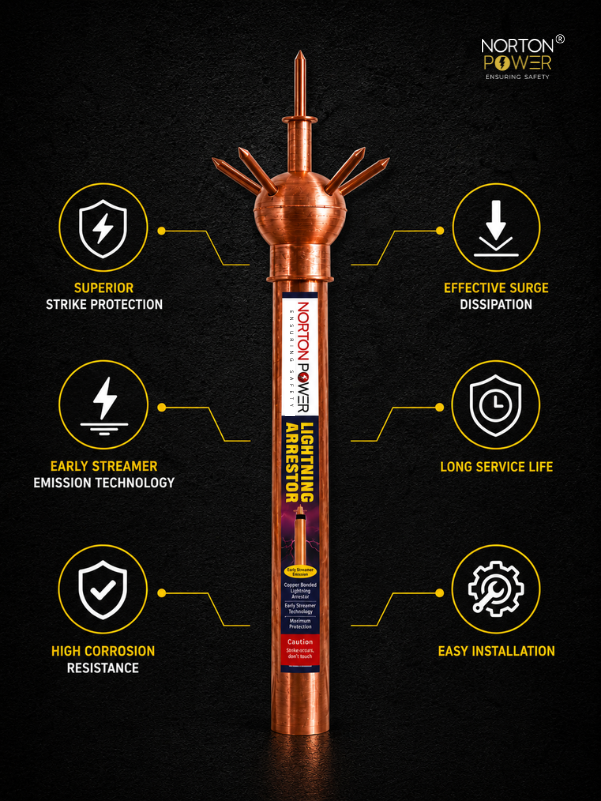
For a large open footprint, an ESE arrestor (NF C 17-102) on a tall mast gives a wide protection radius that can cover the whole shed from one or two points, which is usually cheaper than dotting many conventional Franklin rods and running down-conductors from each. Where the project is specified strictly to IEC 62305, a mesh or Franklin array over the roof is used instead. Either way, the down-conductors run to a perimeter earth.
| Footprint | Efficient choice |
|---|---|
| Large open shed / yard | ESE mast(s) — wide radius from few points (if NF C 17-102 allowed). |
| Strict IEC 62305 spec | Franklin / mesh over the roof with multiple down-conductors. |
3. What to bond inside
- Roof sheeting, purlins and the steel frame to the earth system.
- Long racking runs bonded to prevent side-flash.
- The refrigeration / DG / electrical plant equipment earth (cold stores have significant motor plant).
- Any incoming metal services and cable trays.
4. The earth-electrode network
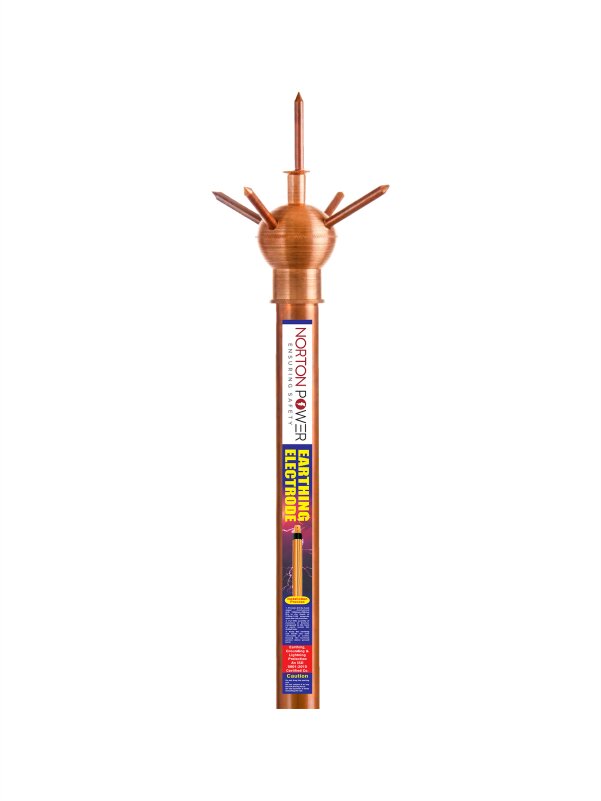
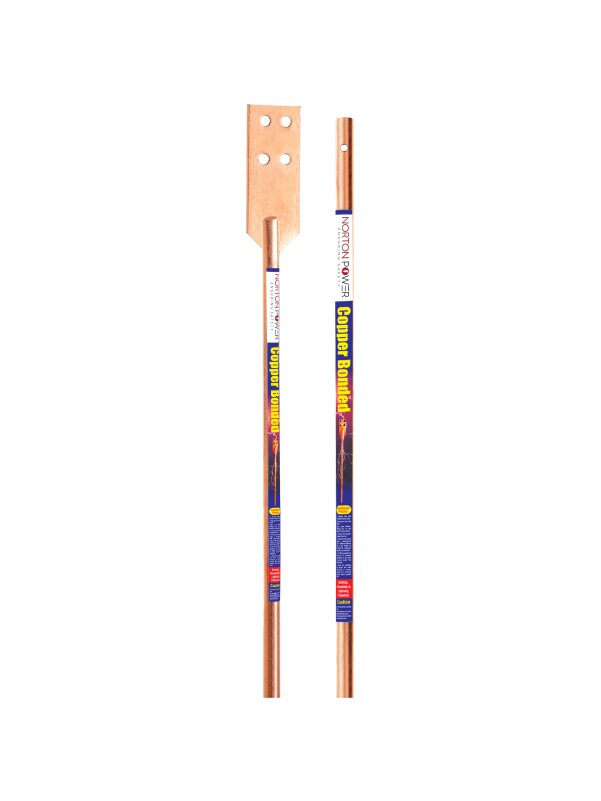
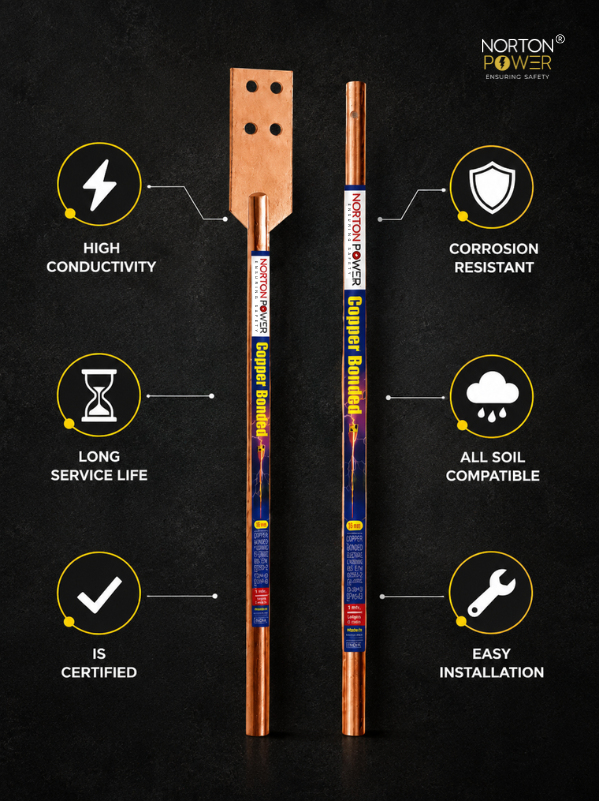
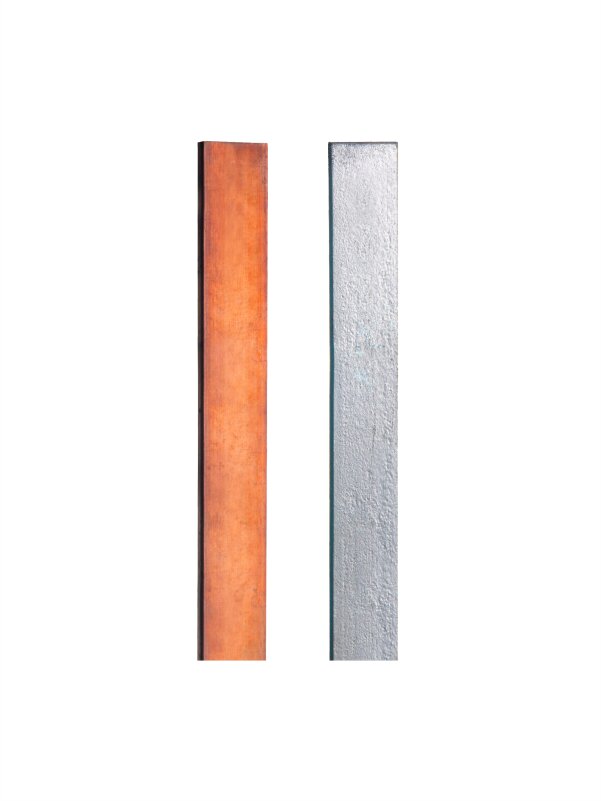
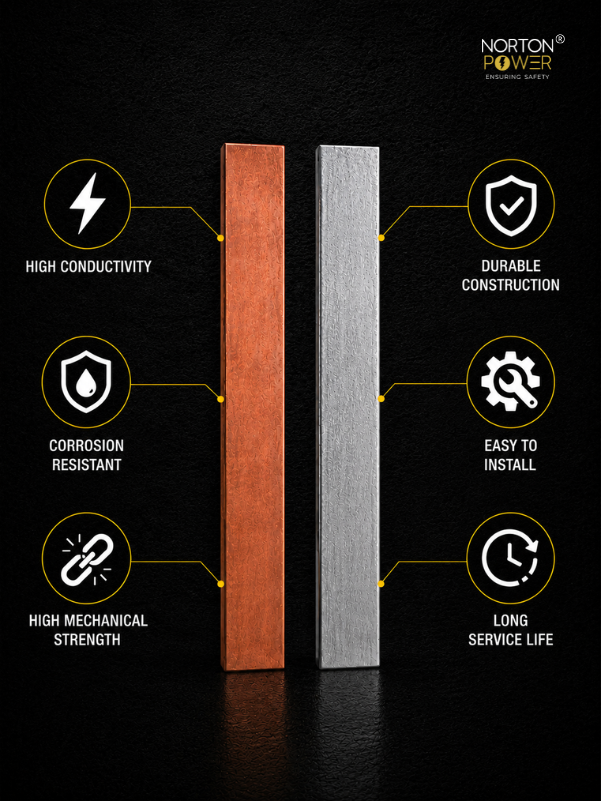
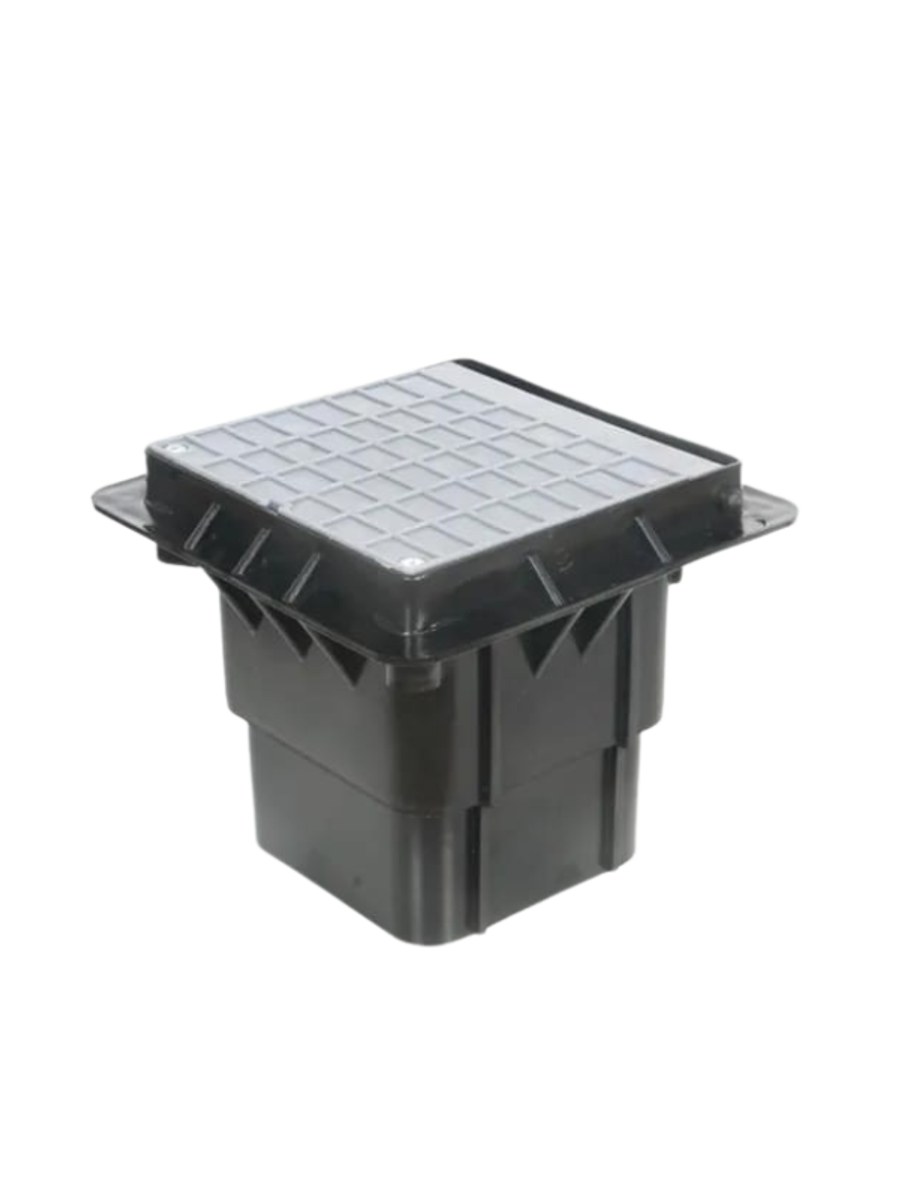
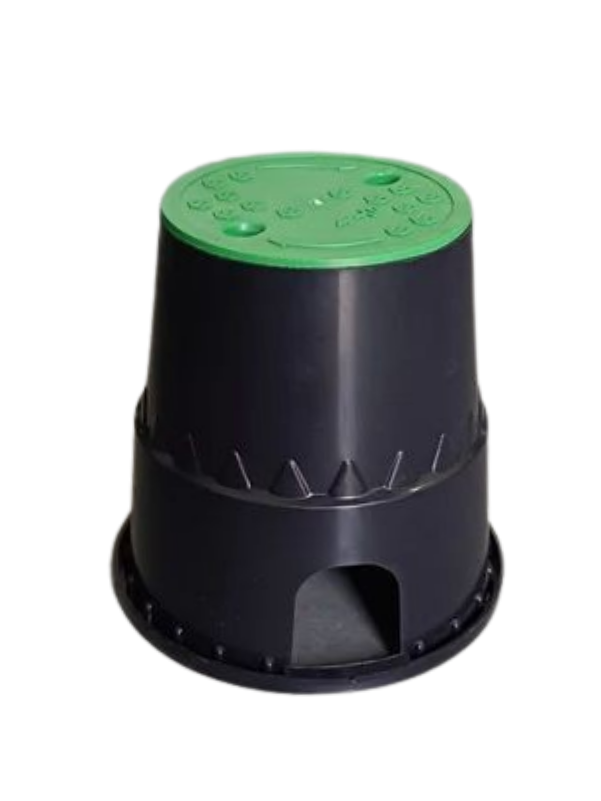
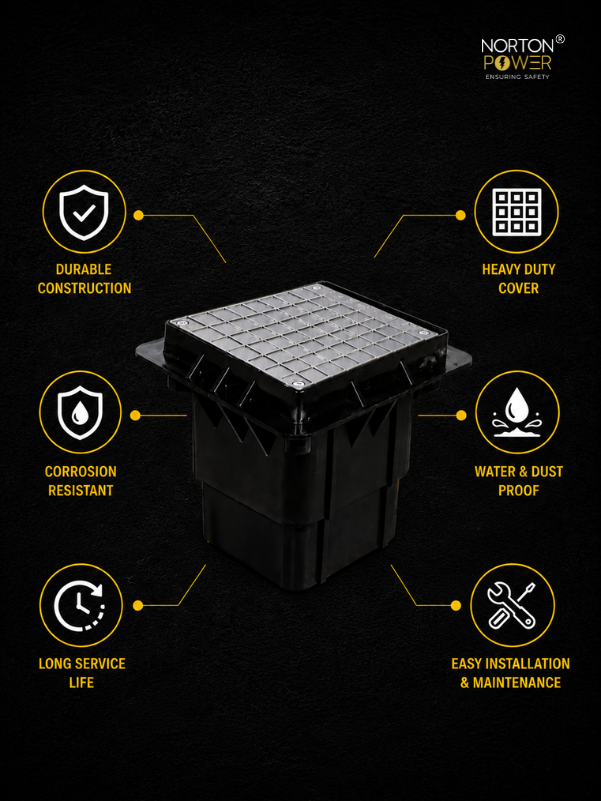
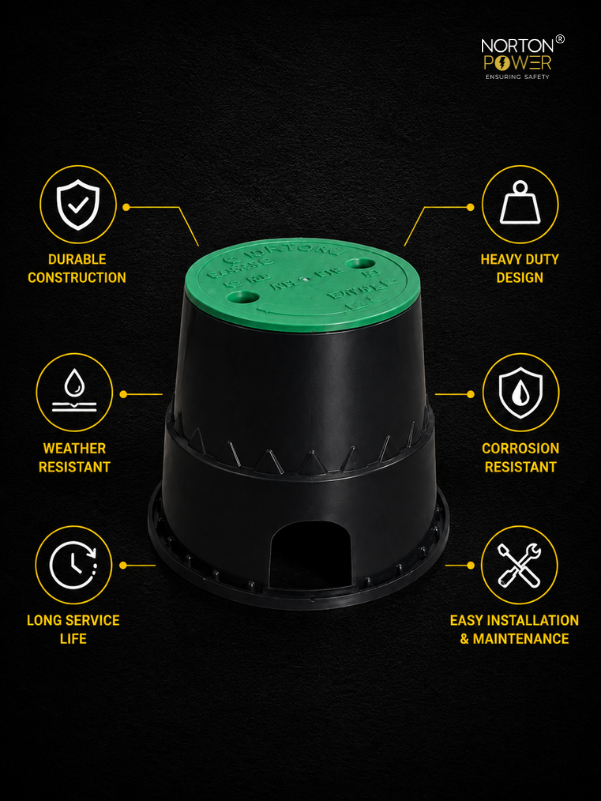
A perimeter ring of copper bonded 250 µm rods with earth-enhancing compound, interconnected by a buried copper or GI strip, gives the low, stable earth the lightning down-conductors and equipment earth share. Cold stores near coastal or damp ground favour copper for corrosion resistance. Pit covers on every pit allow the annual test.
5. Checks before you buy
- Standard: ESE (NF C 17-102) or conventional (IEC 62305)? Match the air termination to it.
- Does the design bond the roof, frame and racking, and the refrigeration/DG plant earth?
- Copper bonded 250 µm rods with compound to hit the resistance target?
- Inspection covers on every pit; corrosion-resistant materials for damp/coastal sites?
- A sized BOM for the footprint and roof height?
6. Reference bill of materials
| Item | Typical quantity |
|---|---|
| ESE arrestor (or Franklin rods for a mesh design) | 1–2 (ESE) or several (Franklin) |
| Lightning mast, 10–12 m | 1–2 |
| Down-conductor, 25 × 3 mm copper tape | per mast, to earth |
| Copper bonded rod, 17 mm × 3 m, 250 µm Cu, UL 467 | 6–12 (perimeter ring) |
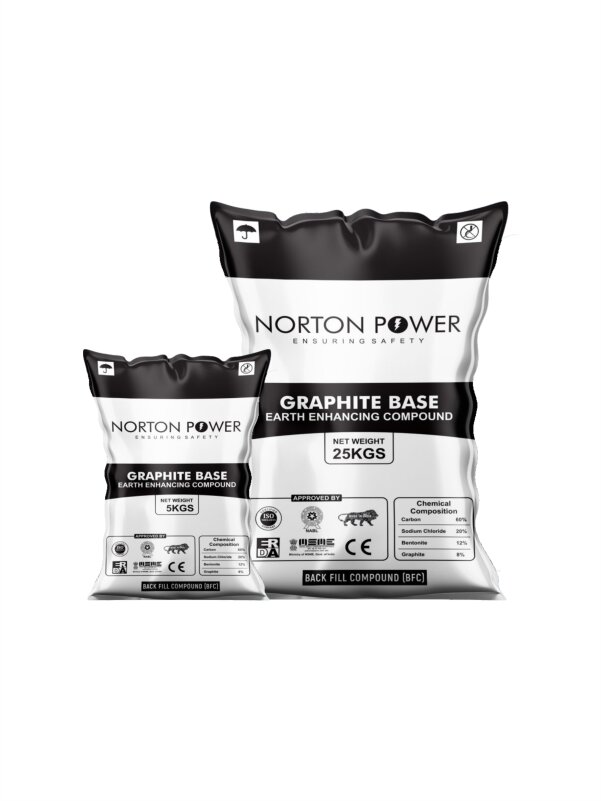
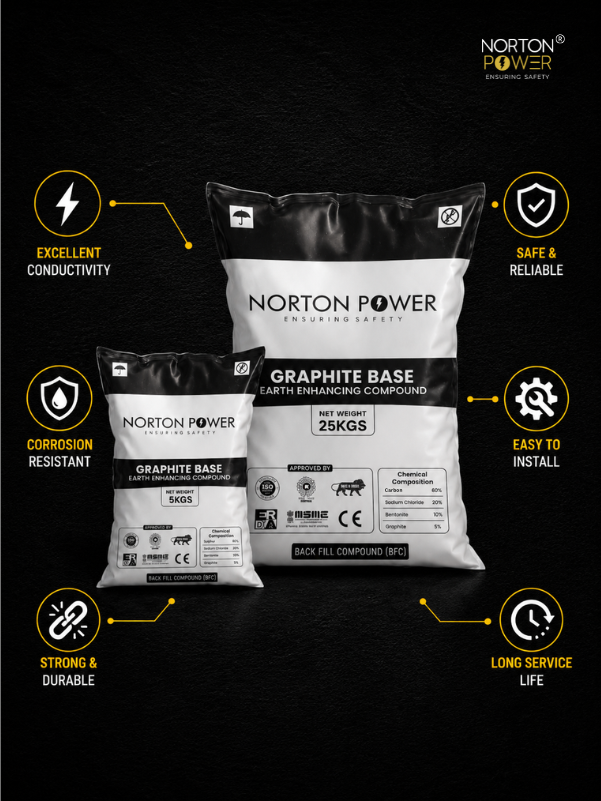
| Earth-enhancing compound, 25 kg bag | 12–24 |
| Ring earthing strip | building perimeter |
| Earth pit covers | 6–12 |