A water or sewage treatment plant is an outdoor, permanently wet, often chemically aggressive site full of pumps and variable-speed drives, with chlorine or gas hazardous zones and a SCADA control system tying it together, and the public and operators moving through it. That combination makes earthing both a safety-critical and a corrosion-driven problem. This guide covers how to specify it.
1. Why treatment plants are a special case
- Permanently wet and often corrosive ground and atmosphere attack ordinary steel earthing quickly.
- Pumps and variable-speed drives create leakage and harmonics that need a solid earth and good bonding.
- Chlorine dosing and digester gas create hazardous zones where static bonding is an ignition-safety requirement.
- SCADA, instrumentation and telemetry need a clean, stable reference earth.
- Public and operator access demands safe touch and step voltages.
2. Earthing grid and bonding
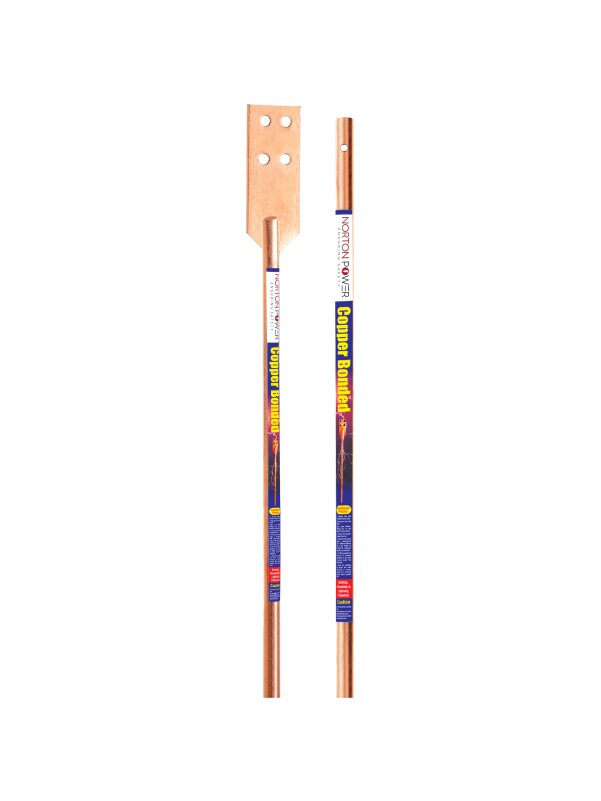
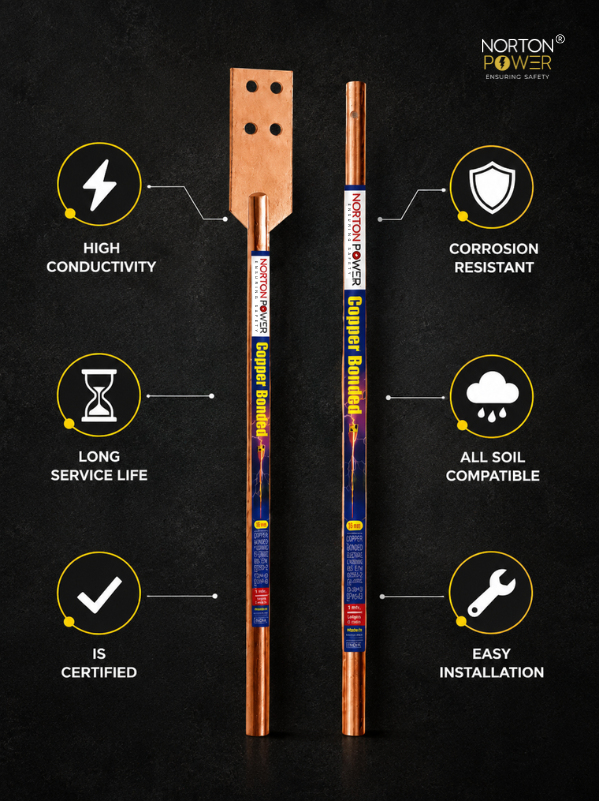
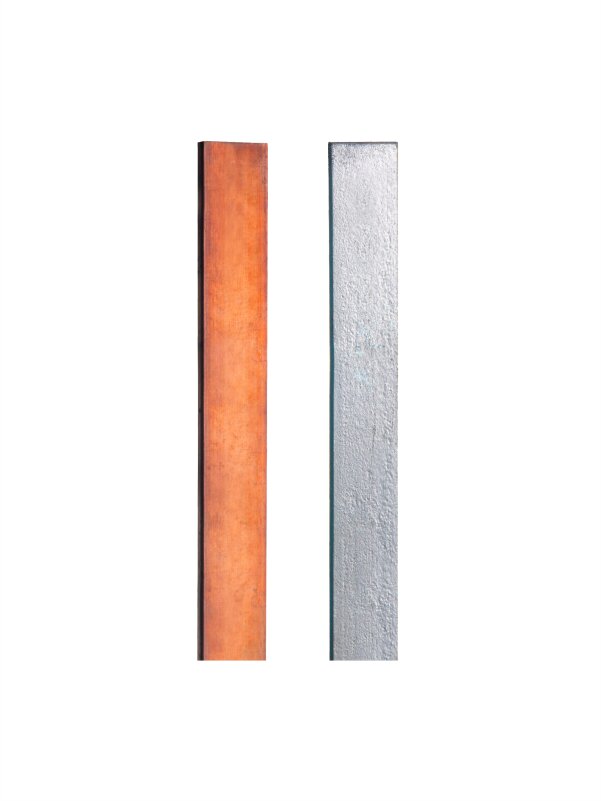
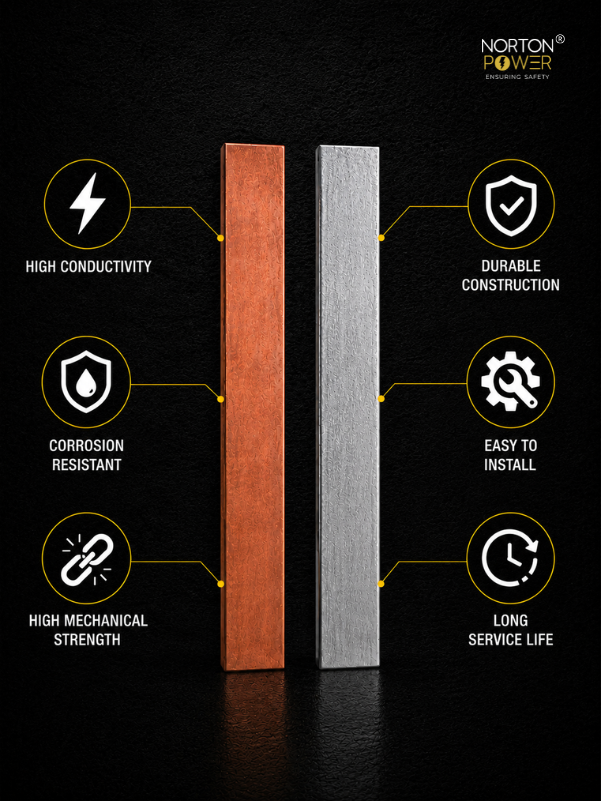
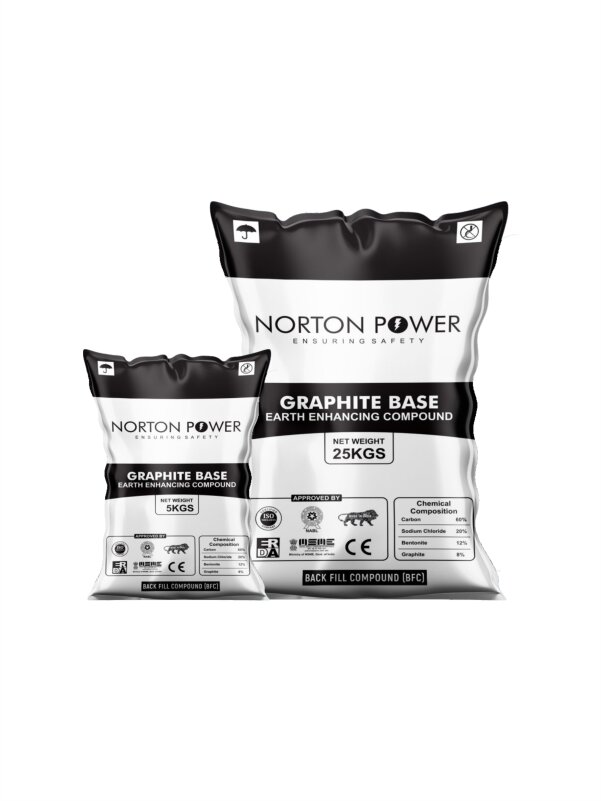
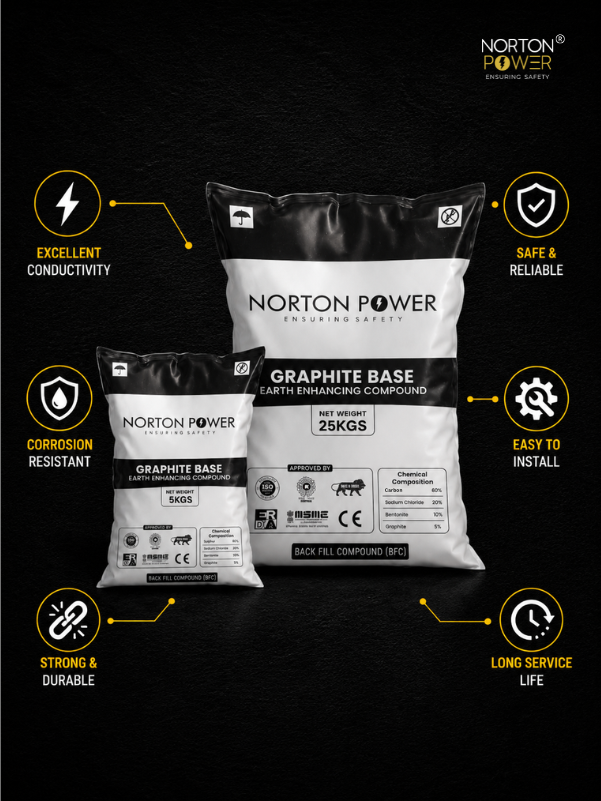
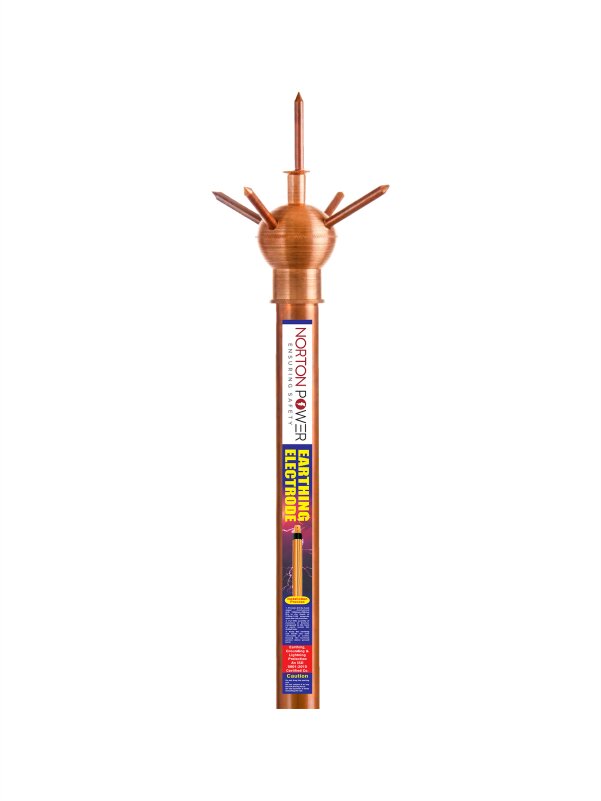
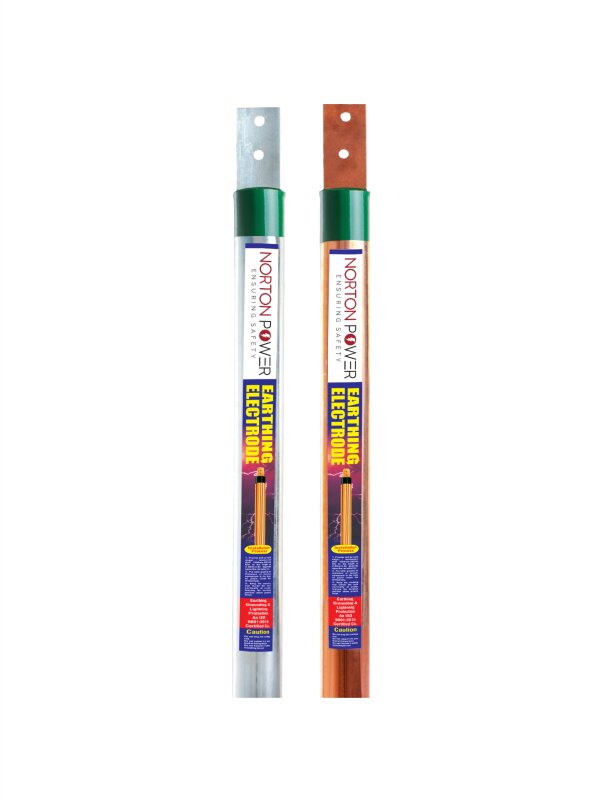
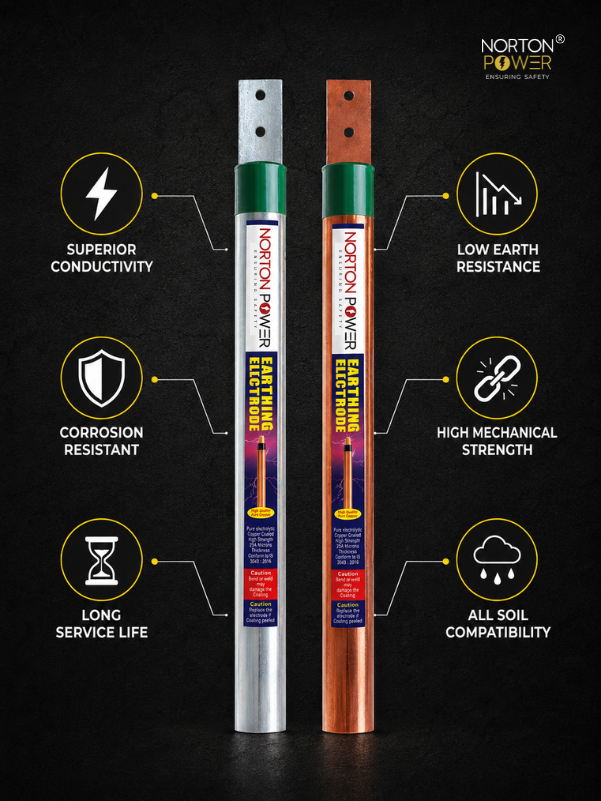
A buried grid of copper bonded 250 µm rods interconnected by copper strip, with earth-enhancing compound, gives the low, stable earth. Every pump, motor, VFD panel, blower, tank ladder, handrail and structural item bonds to it so no touchable part can differ in potential — especially important around wet, conductive surfaces.
3. Hazardous-area static bonding
Chlorine handling and digester-gas areas are treated as hazardous zones: all conductive equipment and pipework in those areas is bonded so no static charge can accumulate and spark. This static grounding is separate from, but bonded to, the electrical safety earth.
4. SCADA and instrumentation clean earth
The control and instrumentation system gets a clean reference earth kept free of the noisy power earth, but safely bonded, with surge protection on the incoming power, telemetry and signal lines — treatment plants are outdoor and lightning-exposed, and a surge through SCADA can stop the whole plant.
5. Corrosion-resistant materials
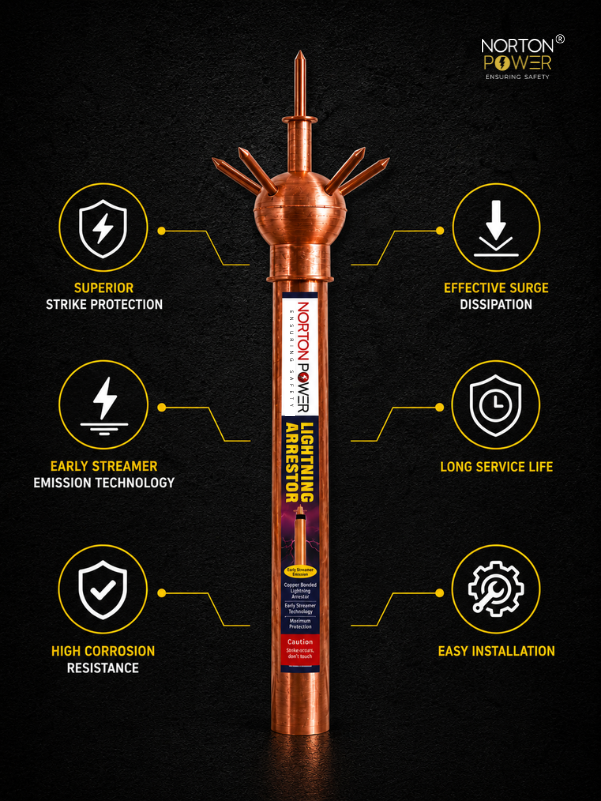
The wet, chemical environment is exactly where galvanised steel fails early, so copper bonded 250 µm electrodes and copper conductors are the right choice, with non-corrosive (never salt-based) earth-enhancing compound. Outdoor tanks and tall structures get lightning protection to IEC 62305 bonded to the grid.
6. Checks before you buy
- Copper bonded 250 µm electrodes and copper conductors for the wet, corrosive environment (not GI)?
- Is hazardous-area static bonding included for chlorine and gas zones?
- A clean SCADA/instrumentation earth with surge protection on power and signal lines?
- Non-corrosive compound, CPRI-tested electrodes, and a low resistance target verified after curing?
- A sized BOM against the measured soil resistivity?